Trek the Sahyadris
June 1993 – now
Discovering the Sahyadris: 1993
Ever since I bumbled into Pune for my 6-month internship (PS – Practice School) from BITS Pilani, I’ve been in love with the Sahyadris (Western Ghats). I was lucky to have two sets of people who loved the hills:
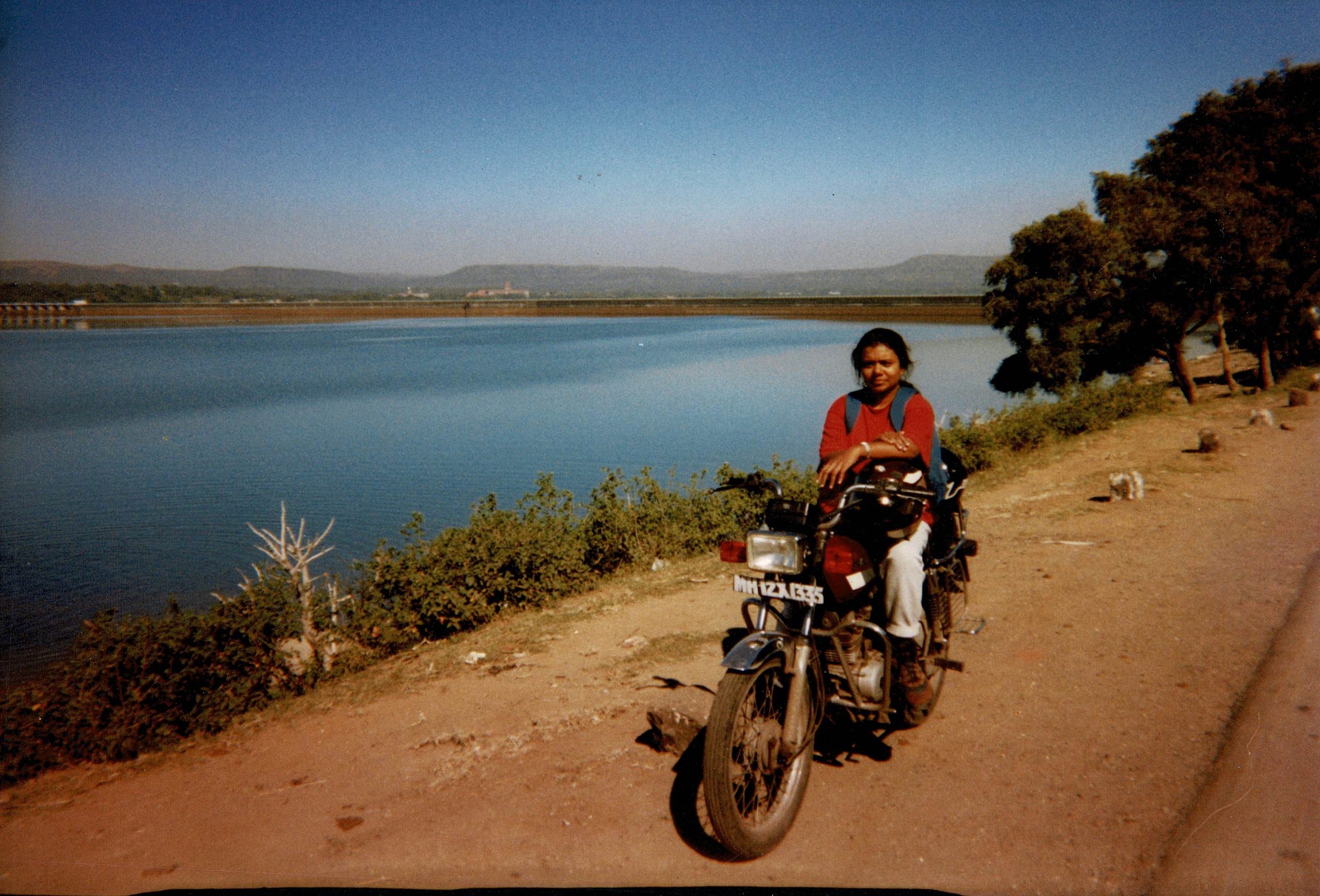
The new circle of friends I found in Pune, all slightly older, and in settled jobs, with motorbikes for personal transport. And my PS instructor, a wild spirited devil-may-care character, was among other things, a motorcycle enthusiast and a trekking enthusiast.
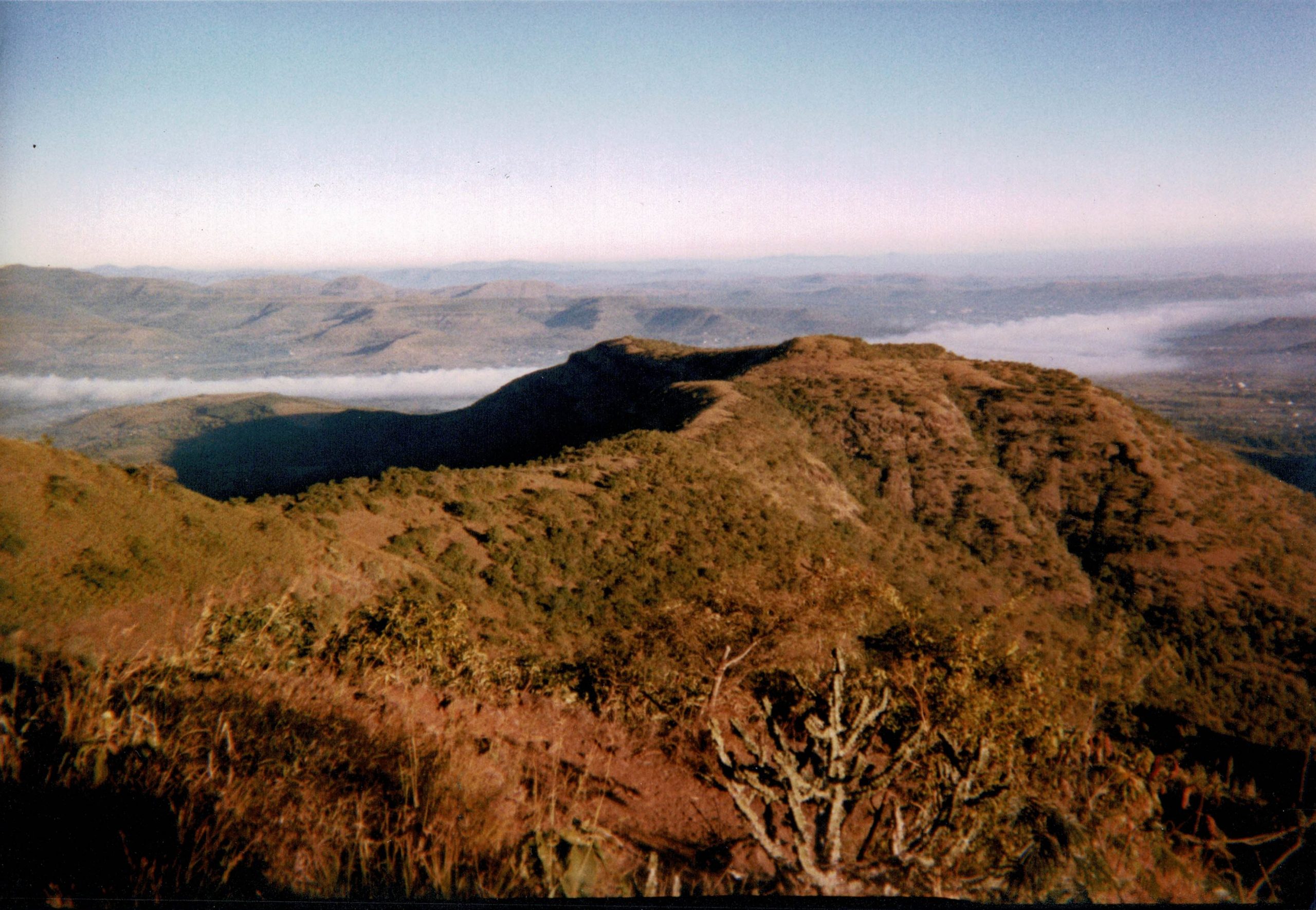
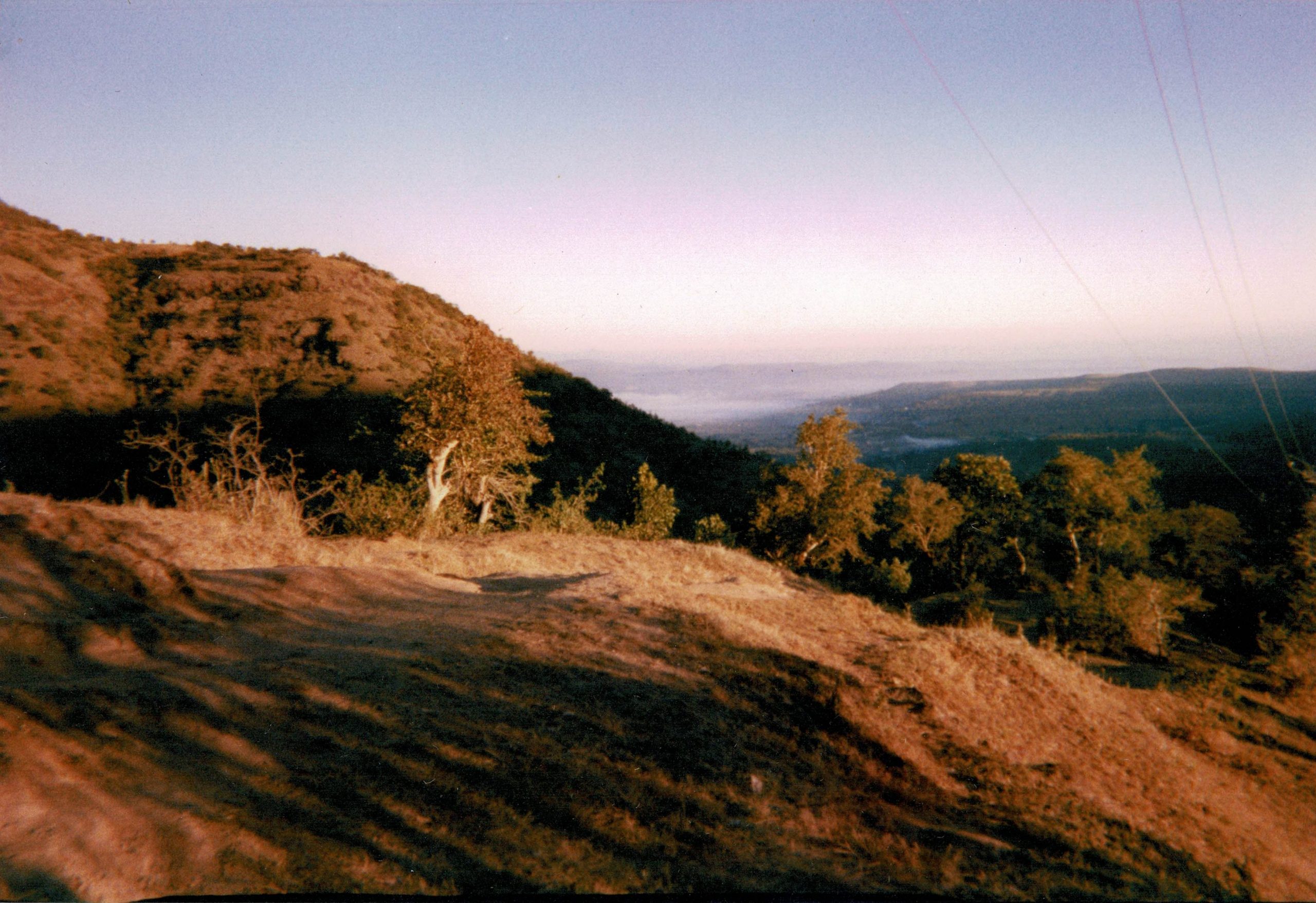
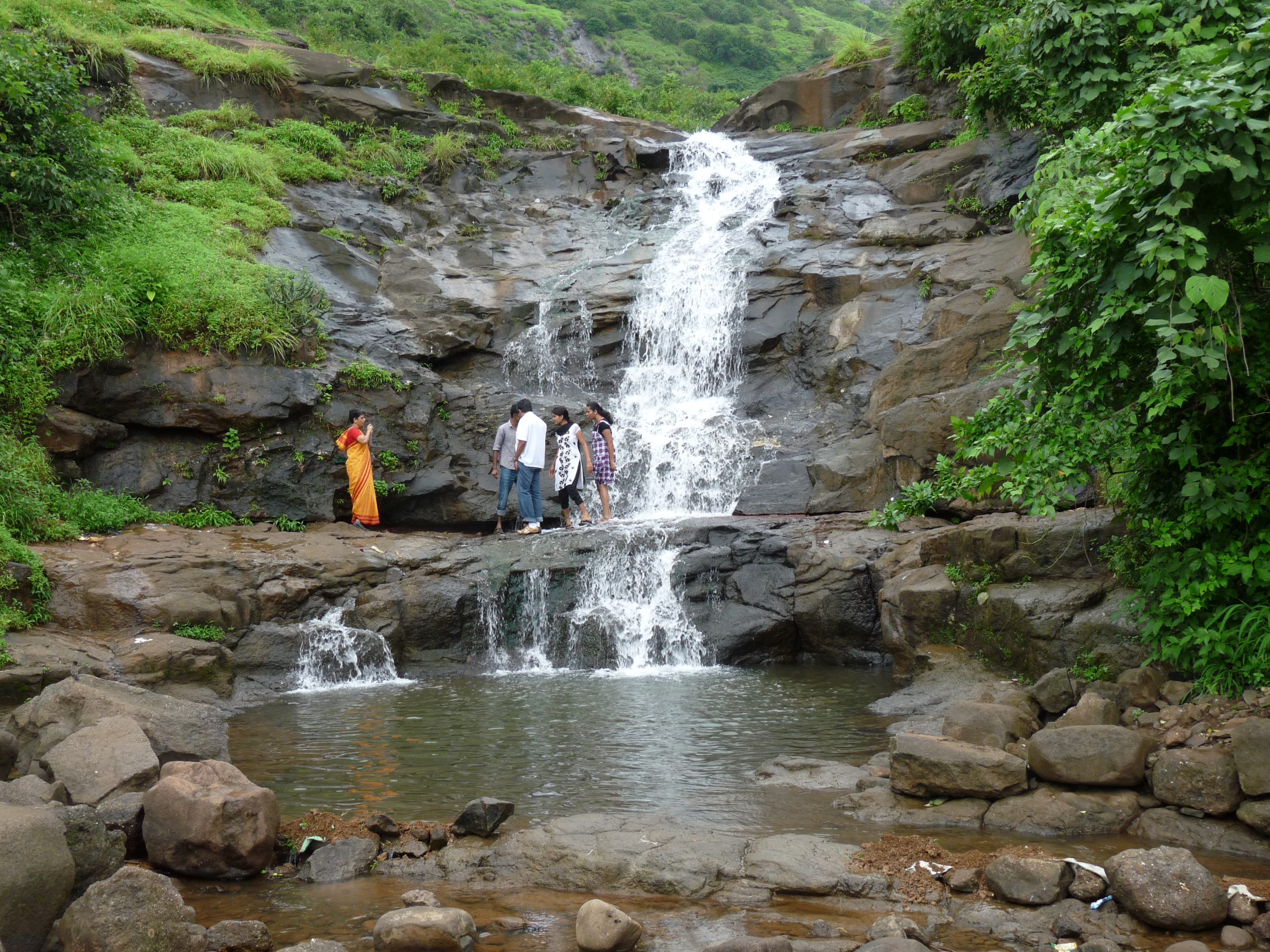
These two groups launched me into a lifetime love of the Sahyadris. We’ve trekked in all seasons and weathers, at all times of day and night. Single day treks, multi-day treks, overnight treks. Not all are chronicled, most just live in our memories, but some are captured in writing. These I share here.
Treks? Hikes? Hill walks?
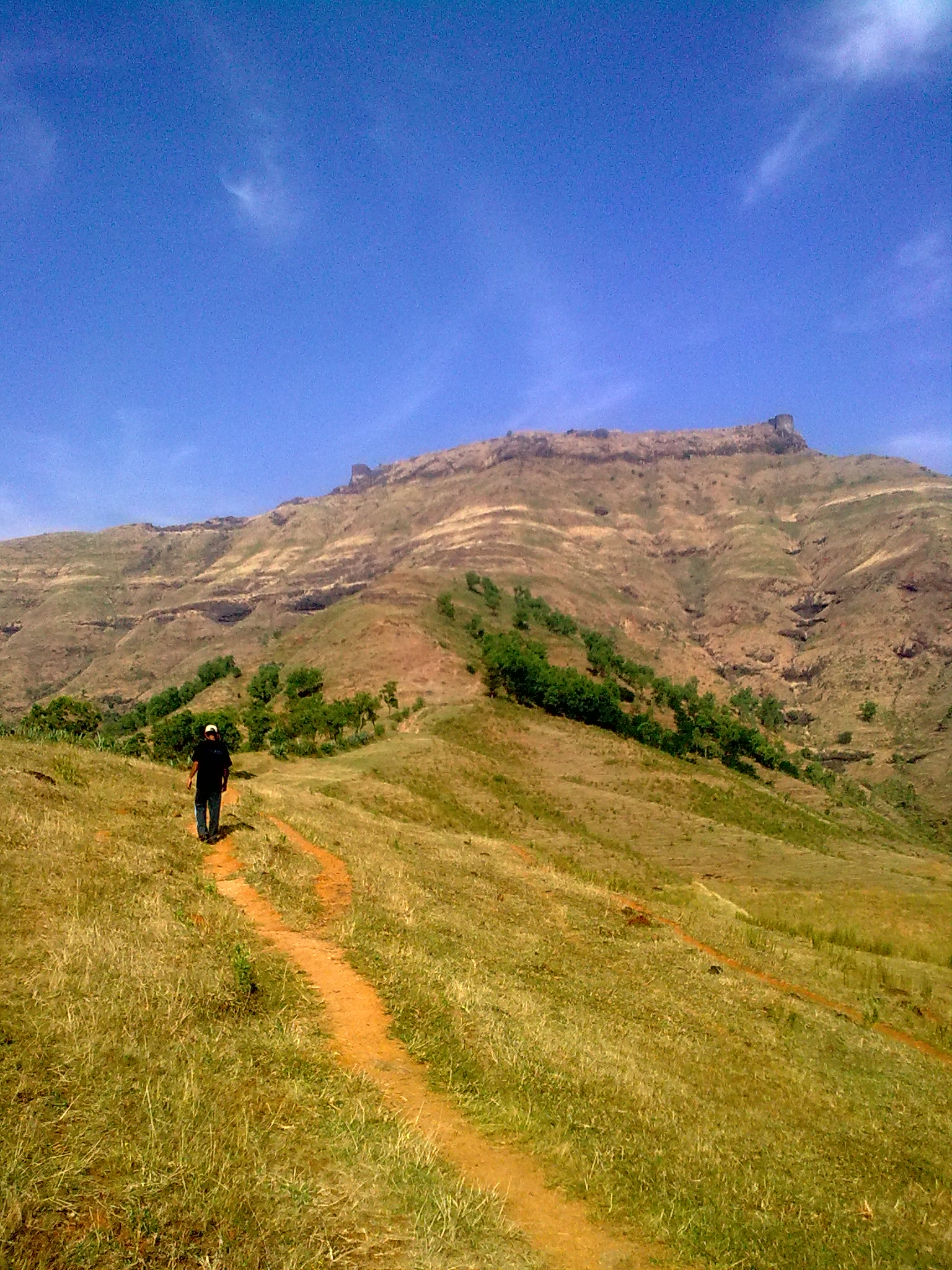
In England they’d classify these as hill walks. In America, they’re definitely hikes. In India we called them treks, irrespective of the dictionary definition or relation to duration or difficulty. So I’ll keep referring to them as treks here.
Why do I mention motorbikes in this intro about trekking? Because motorbikes were the quickest and most practical way of getting to some of these trek bases. Most places around Pune you could get to by a dilapidated ST (state transport) bus – but it took way longer. Incidentally I learnt to ride a 100cc motorbike here, and when I got my first job, bought one of my own – my first Kawasaki Bajaj 4S. My circle then skewed to mechanical engineers, and I learnt more about 4-stroke engines versus 2-stroke than I ever wanted to know! But I digress.
My trekking circle
There was an “inner circle”. After a probation period (guessing here!) I was admitted to it. We allowed an occasional guest – after proper vetting – to come along on a trek. We had some rules too – no booze on treks, no carrying boom boxes playing loud music along the way. Goes without saying, no smoking or potting. What’s more, we were quite judgey about other groups if they violated these sacred rules. We loved “chik-chak” as we called it – processed deep-fried junk food we carried in case famine struck on top of the hill. We sneezed at any trek that was less than 500 meter ascent – “potato trek” we called it – meaning any couch potato could do it. We were quite the Sahyadri snobs.
Team building
I was head of the tech team at Datavision, a small company making core banking software based in Pune. I introduced my team to trekking as a way of team building – though we never got permission to use a working day as a team day, we managed to mobilize enough interest to go trekking on weekends.
The first such team-trek with my Datavision “bacchas” as I think of my team there fondly (no condescension intended), was to Lohagad, 7th Sep 2005. The last one with this team was Vichitragad in Oct 2007. We had a great trekking rhythm with the team – whoever could join came along, and we were usually with 10–15 people each trek. I took Ak in the Kelty kids backpack, sometimes one of the team offered to carry it.
Sahyadris and the Marathas

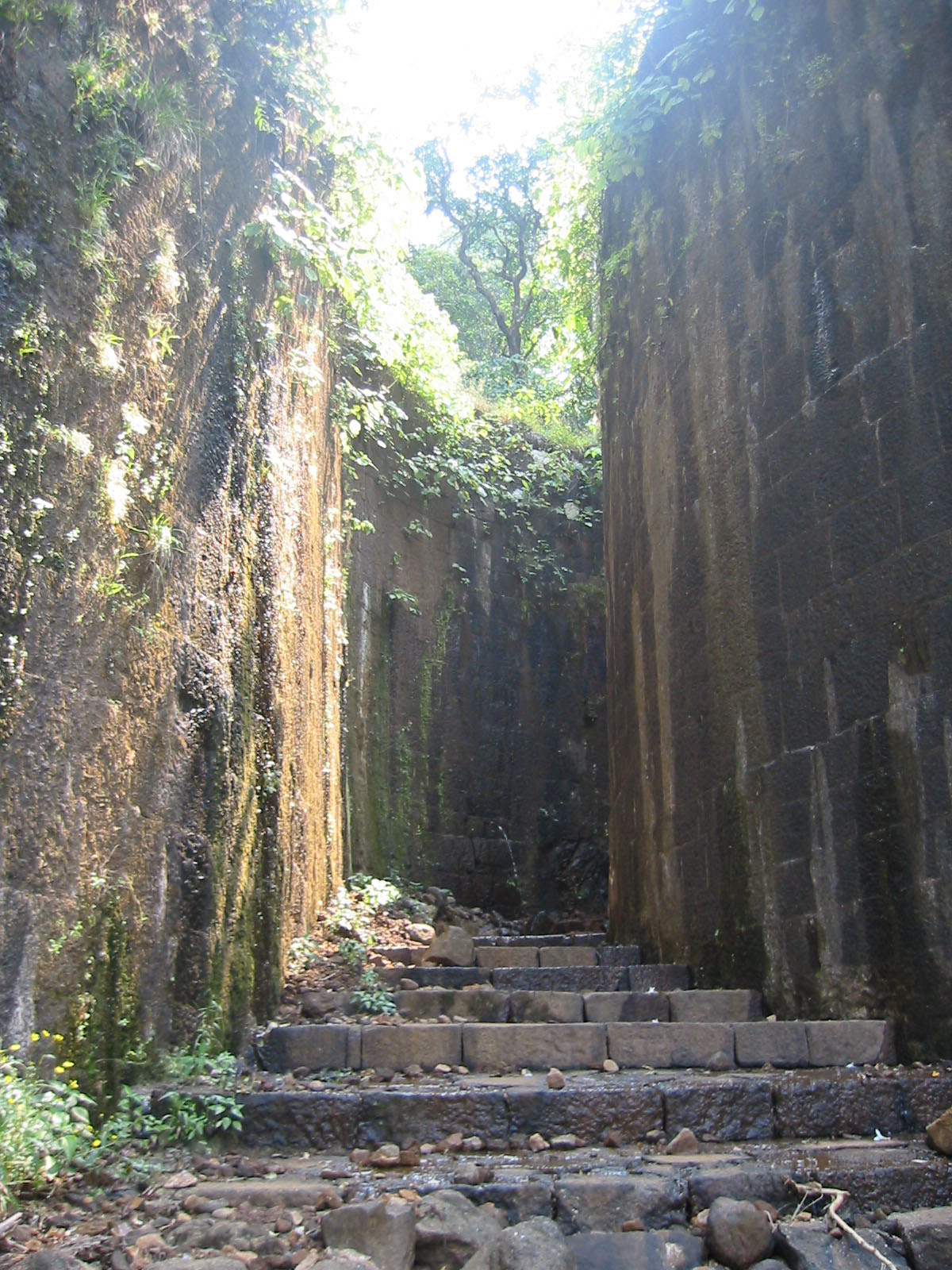
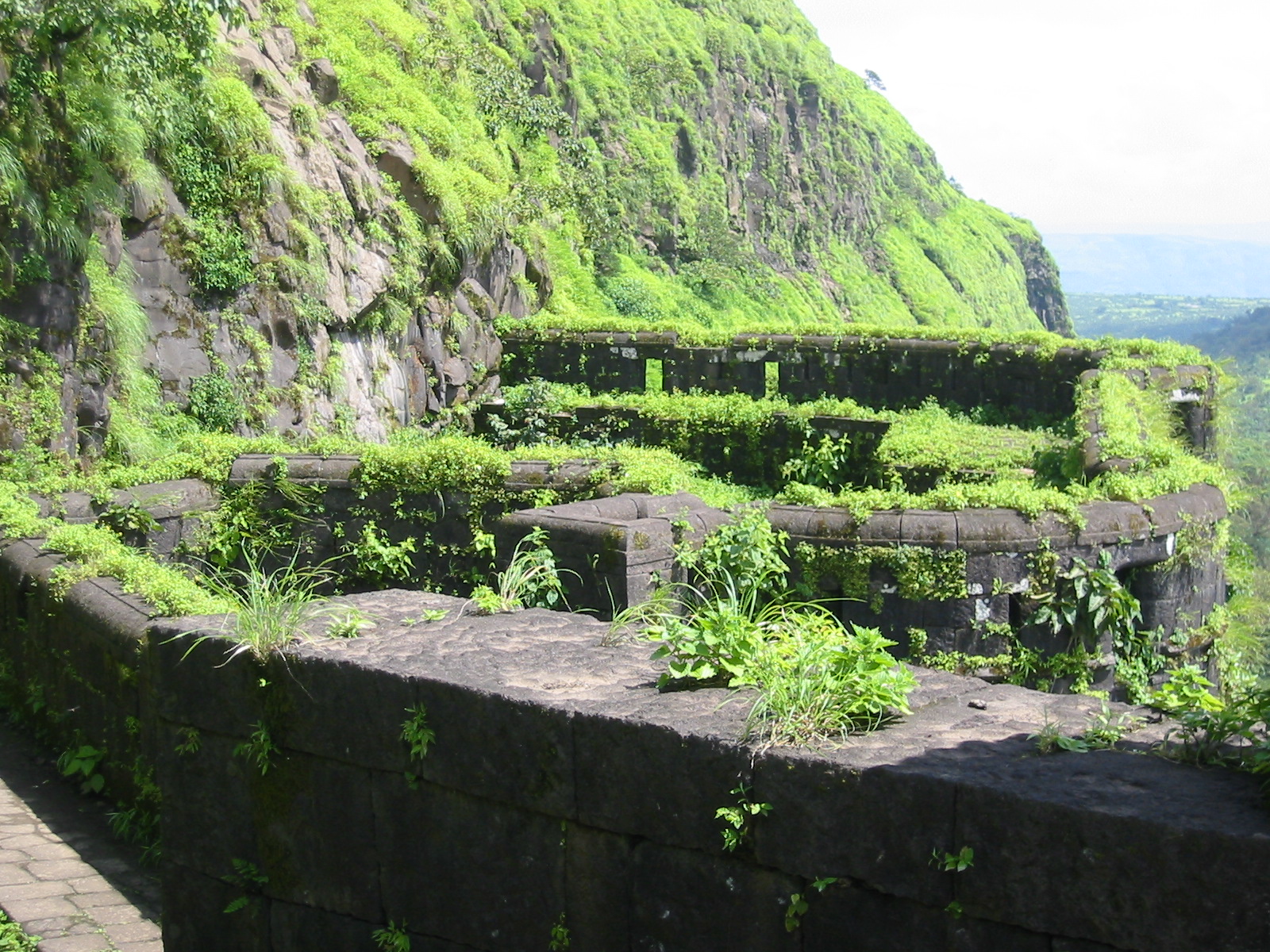
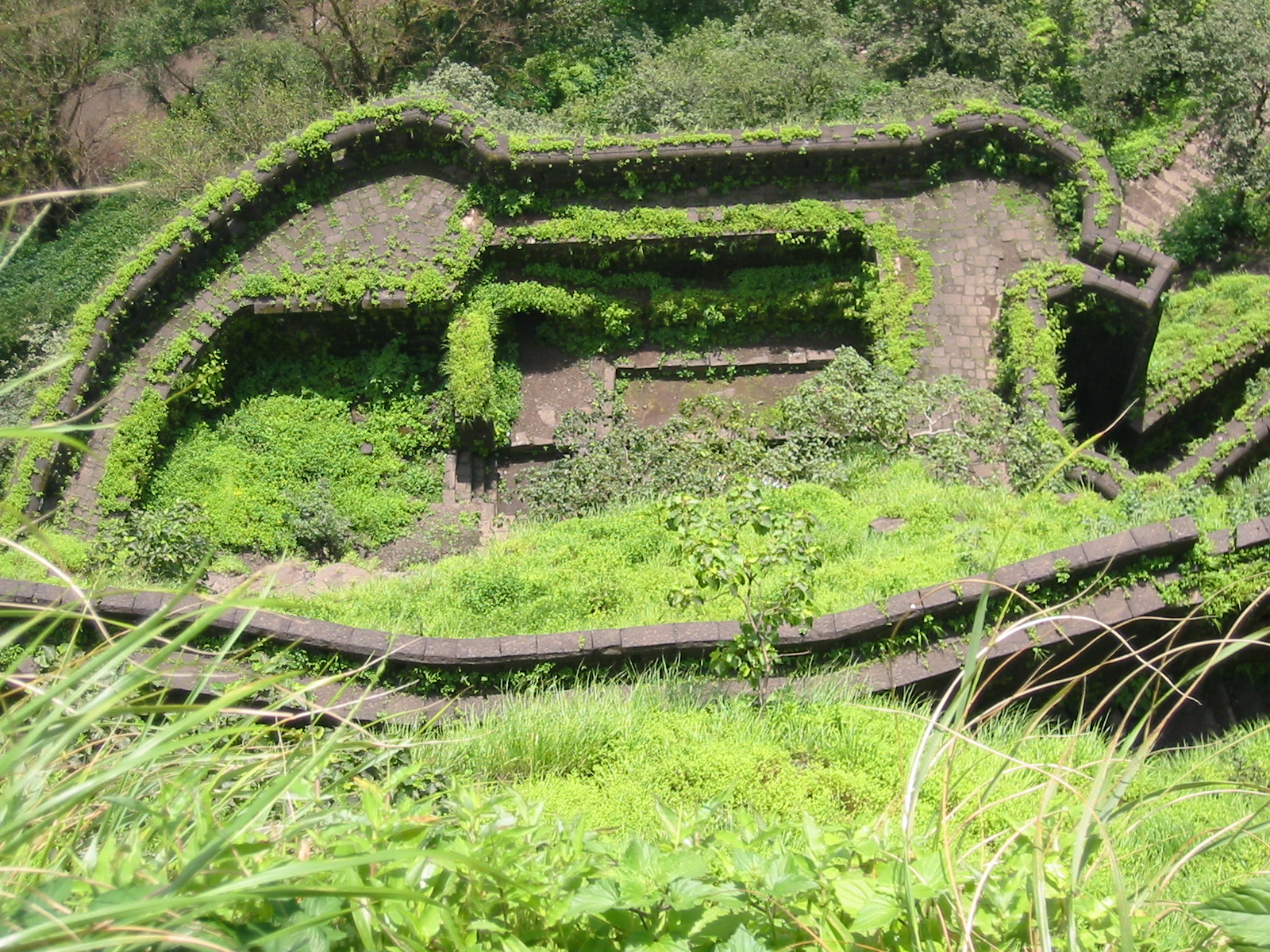
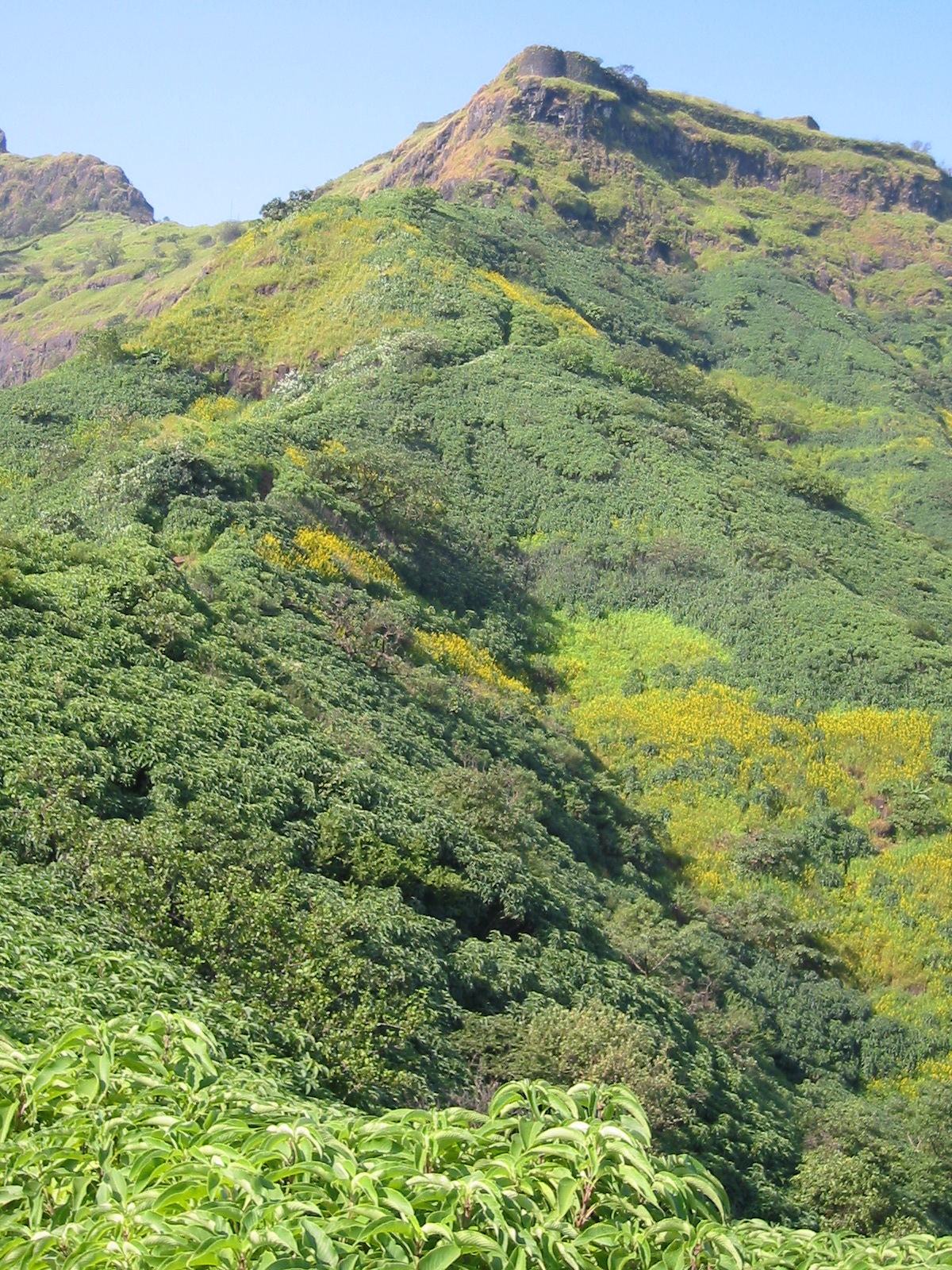
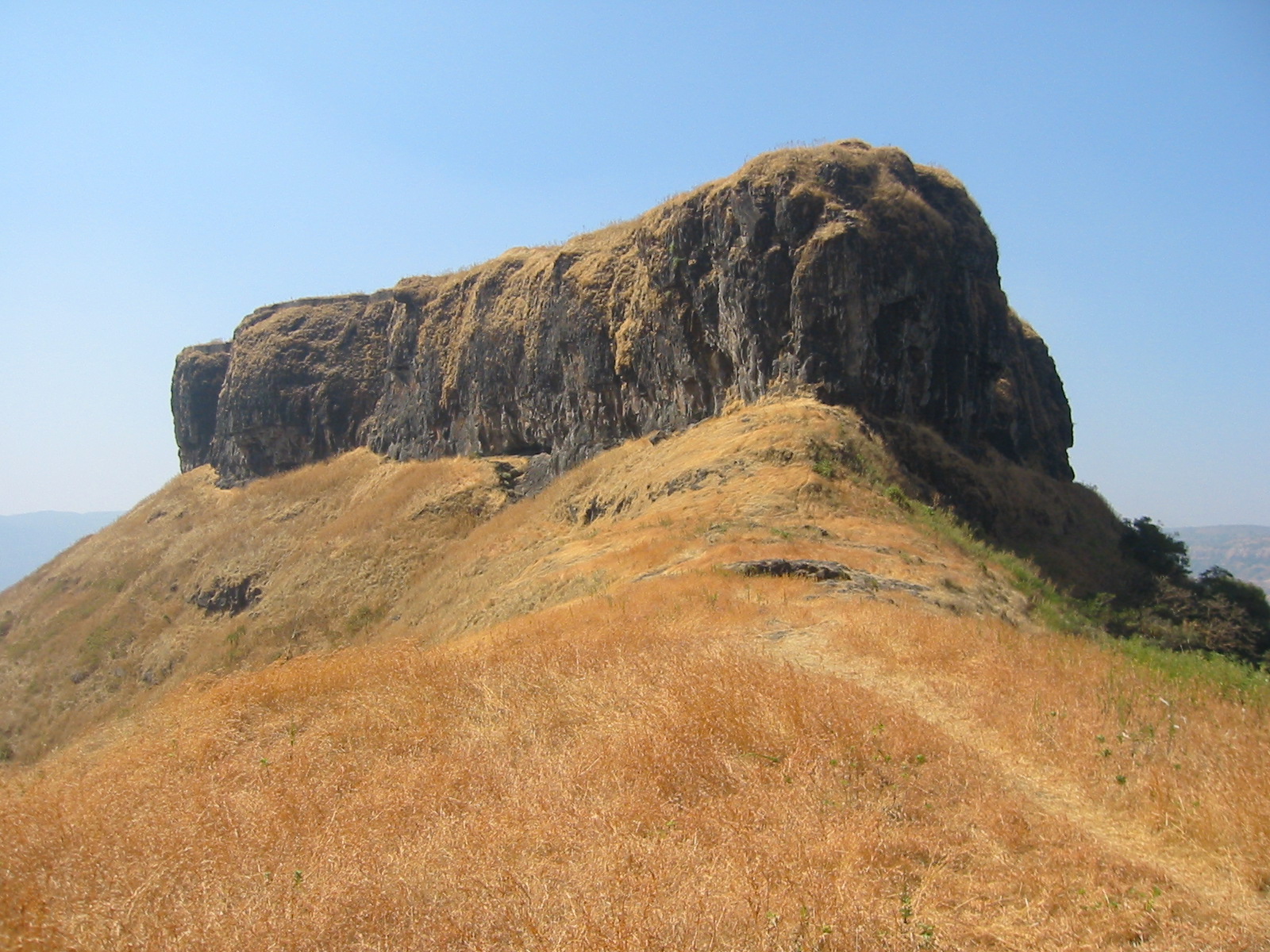
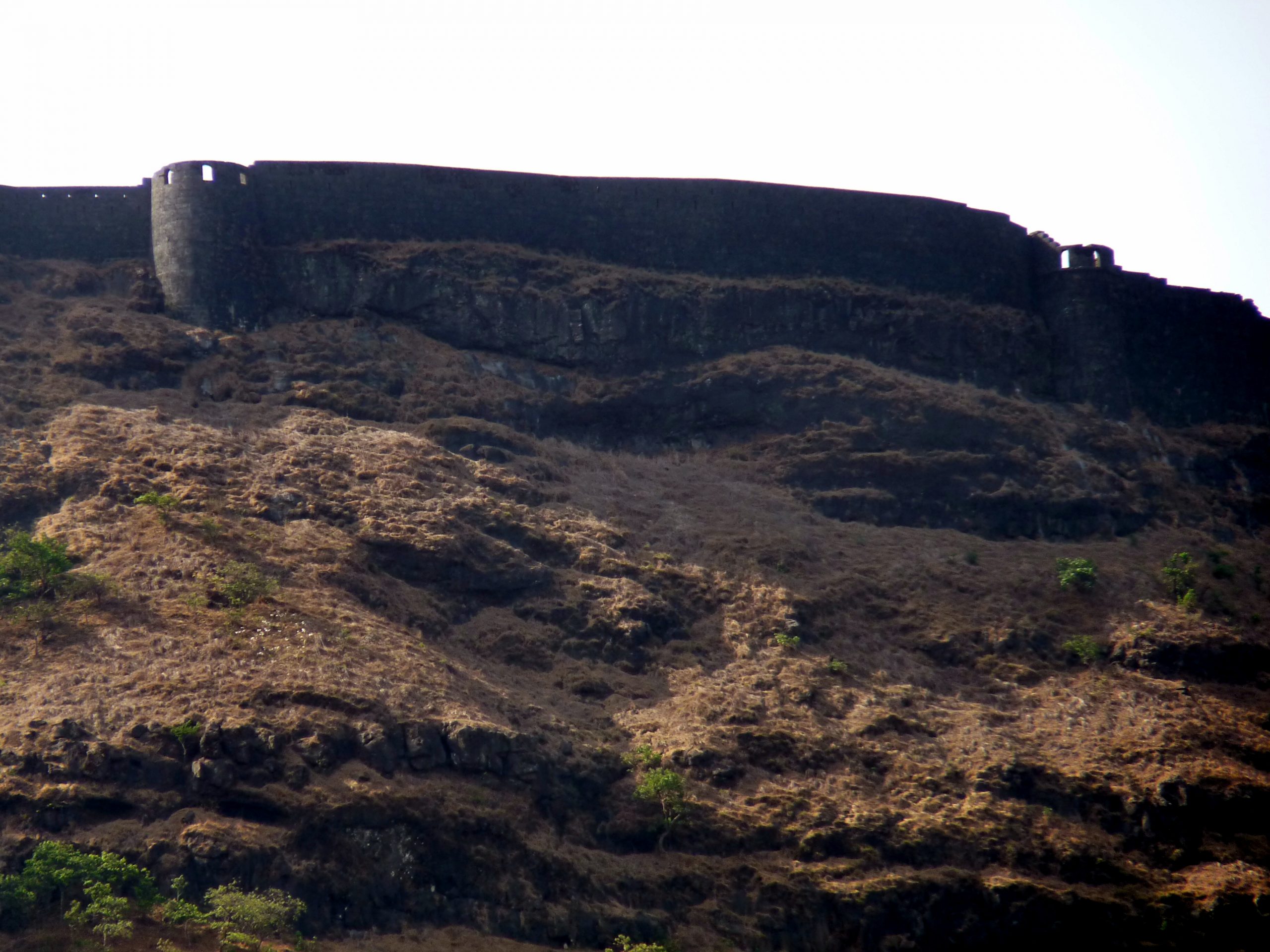
Sahyadris and the Maratha kingdom are inseparable. Shivaji, the great Maratha ruler, built forts strategically on all prominent hills of the Western Ghats: Sinhagad, Pratapgad, Lohagad, Visapur, Rajgad, Vasota… all Shivaji’s forts.
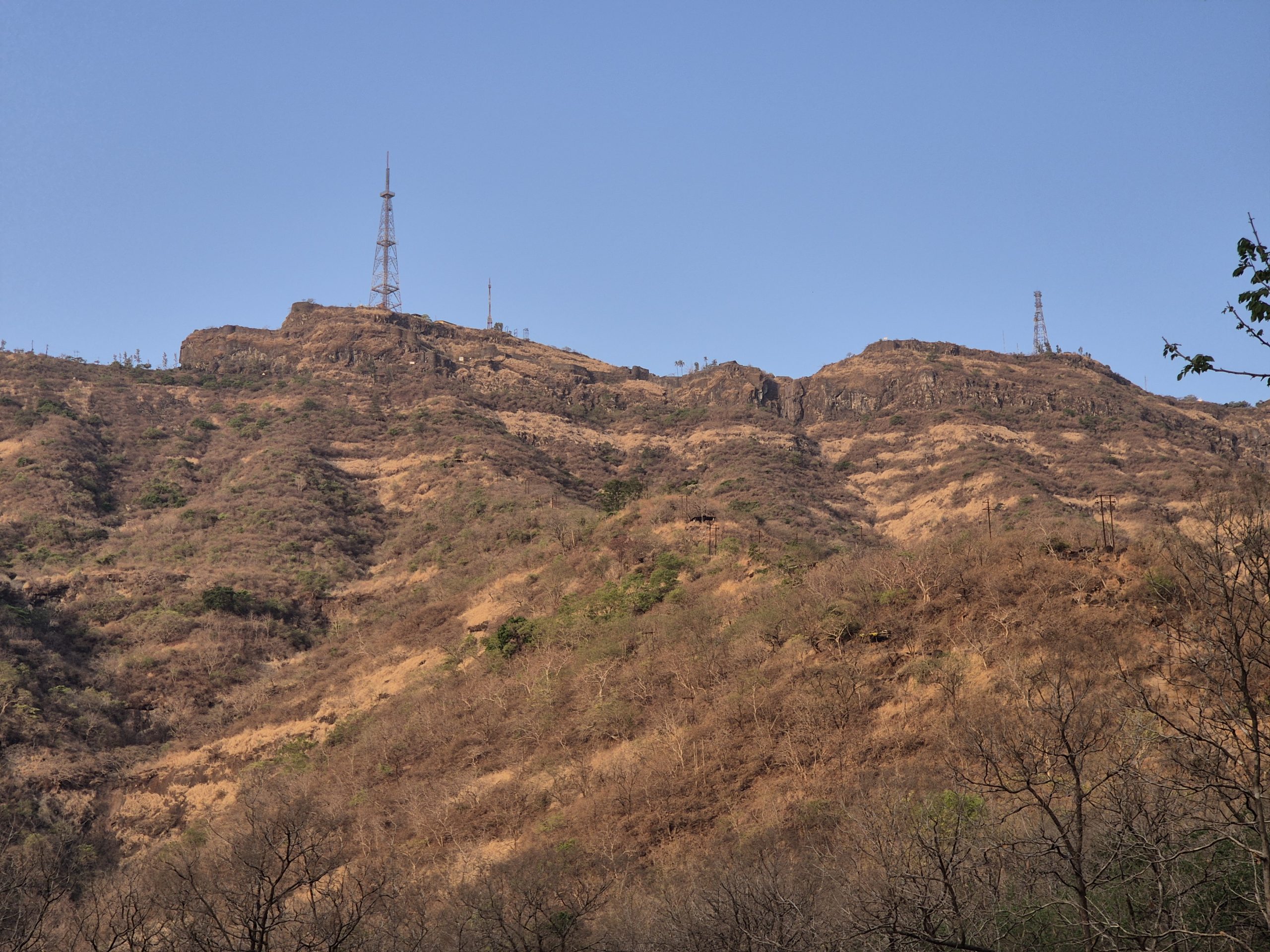
Most treks in the Sahyadris lead to one of these forts, or ruins thereof. If not a fort, a temple at the top. Mostly a Shiva temple, sometimes a Hanuman temple or a goddess such as Durga, Chamundeshwari.
Politics or religion – or both – got there first, always. The advantage – there is usually a built structure at the top, useful to sleep in on night treks.
HK, an iconic symbol
Another iconic symbol of our Sahyadri trek days – what our group lovingly called “HK” – a canonical guide book called “Trek the Sahyadris” by Harish Kapadia. With no google maps, it was a time when HK was an invaluable resource. He described how to get to the starting village for each trek, a map, difficulty level, and more. Though almost ritualistically we always got lost on the hills, and sometimes a friendly local would point us in the right direction. Usually the directions were amusingly fuzzy: “see there, that mango tree? go past it and turn left at the next big jamun tree” (Tikaḍē bagha, tē āmbyācaṁ jhāḍa? Tyācyā puḍhē jā āṇi puḍhacyā mōṭhyā jāmbhaḷyācyā jhāḍāpāśī ḍāvīkaḍē vaḷā.)
HK classified the treks into regions: Pune region, Satara region, etc. At one point it was my ambition to “collect” all the treks in each region. Then life happened, I moved away from Pune, and now only sporadically trek in the Sahyadris as chance permits.
What I couldn’t collect in treks, I’ve tried to collect here instead.