Wuthering Heights (2026)
Well made film of a soul sapping tragedy
Rating: 4 out of 10
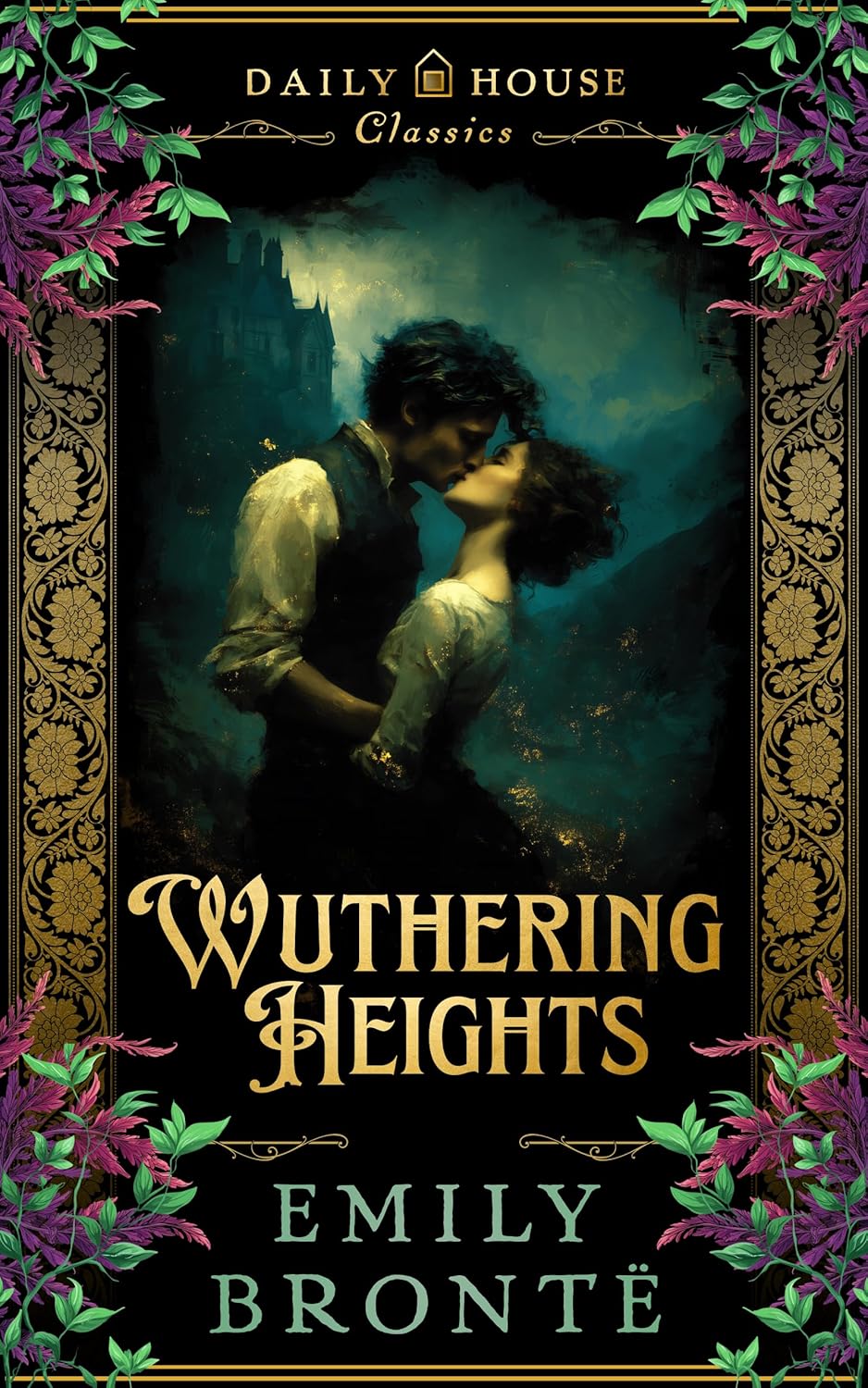
The film is based on the book Wuthering Heights by Emily Brontë. Book on Amazon
Have watched Jane Austen’s Pride and Prejudice, and loved the immersion into the England of that period. Mr. Darcy and Elizabeth’s slow romance. So when B wanted to watch the 2026 movie Wuthering Heights, I jumped right in without reservations. Turns out I ought to have had reservations.
The film is well made, I must grant it that. But I simply hated it for its darkness without salvation. It starts with a portrait of a poor English family with a common enough stereotype of a patriarch, cruel with a quick temper exacerbated by drink.
The whole movie goes from misery to misery: an ill fated childhood connection, poor choices of the young girl protagonist and seemingly inevitable tragedy. It really bothers me to watch drama without any uplifting moment – that starts and stays morbid to the bitter end.
The intensity is of multiple registers. The scenes between young Heathcliff and Catherine on the hills are heart-wrenching – his love plainly worn, her deliberate misconstructions, her calculated pursuit of a landed gentleman. The tragedy pivots on a single overheard conversation: Heathcliff slips away before hearing Catherine confess to Nelly Dean that she loves him, drawing the worst conclusion from the fragment he caught. Like all tragedies built on misunderstanding, it feels entirely avoidable – and that is what I most intensely object to. The story hangs on this, and I resent it as a foundation.
What follows is contrasts piled on contrasts: Catherine’s tender love for Edgar Linton set against her near-insane passion for Heathcliff. Heathcliff’s return, and his ironic purchase of Catherine’s father’s estate. The crackle of his dialogs with her father – among the film’s most intense scenes, even as dread accumulates. (I looked up later: the novel’s brother Hindley, who owns the estate by this point, is absent from the film – his role merged into the father. A simplification, but it works.)
One sequence felt like genuine cinema: the teenagers watching from the barn loft as a farmhand and maid slip away together, the suspense of will-they-be-caught well-built. The payoff comes later – the maid matter-of-factly married off, the farmhand equally matter-of-fact about it. Romance is fine; real life in that era, quite another thing.
Nelly Dean remains deliberately ambiguous – good intentions one moment, something less clear the next. In real life, this is how people are. In a film adaptation, I found it unsatisfying.
The illicit affair between H & C is bittersweet and intense – the film renders it well. But Catherine’s stance throughout is so thoroughly self-centred that I could not sustain empathy for her. She wants Heathcliff’s passion and Edgar’s position, unwilling to relinquish either, unconcerned with the wreckage she causes. Without empathy for the central character, the film’s darkness has nothing to redeem it – and that, more than anything, is why it left me cold. Or more accurately, hopping mad and restless to put down my thoughts.
Watching the movie reiterated the reasons why I’ve stayed away from the book.