When a Food Culture Doesn’t Want You
Eating Vegetarian in Spain – when adaptation fails
Not a manifesto, not picky eating – an honest account of how a widely-travelled vegetarian went hungry across Spain’s protein-first food, and what it still gets right.
Quick links to the Andalusian foods I came across
café bombón – a barista’s view | berenjenas fritas con miel recipe | horchata of the tiger-nuts | sangria | Flamenquín Cordobés | vegetarian paella recipe
This is not a post moralizing vegetarian food, or about picky eating.
I’ve travelled widely, lived on three continents, and eaten my way through places with very different food cultures. I’m vegetarian – not in the manifesto sense, but by inheritance and choice. I was brought up in a middle-class, sub-urban Madras household, where “vegetarian” was normal food, not a statement. As an adult, I simply never felt the need to start eating meat. I raised my children omnivores. I’m not squeamish, judgmental, or evangelical.
I just expect food to be good.
Spain, to my surprise, consistently failed that expectation.
Bread as the first warning sign
It started with bread.
Dense, white, joyless bread everywhere – breakfast rolls, sandwich loaves, pizza bases, even the so-called “naan” in Indian restaurants. Uniformly bad.
And then there were the croissants.
They look like croissants. They sit in piles, golden and curved, whispering promises. It looks like a duck and quacks like a duck – except when you bite into it, it bites back. No butteriness, no shatter, no layered tenderness. Just resistance.
This isn’t accidental. Spain is not a bread-centric culture in the way France or Italy are. Bread here is a vehicle, not food. Fermentation depth, grain character, long rises – none of that seems to matter. The goal is chew and crust, not flavor.
If you come from cultures where fermentation is a craft – whether sourdoughs or idli batter – this absence is immediately jarring. Vegetarians feel it first, because bread is often where flavor should have been.
Protein as the organizing principle
Spanish food is unapologetically protein-centric. Meat and fish are not components; they are the point.
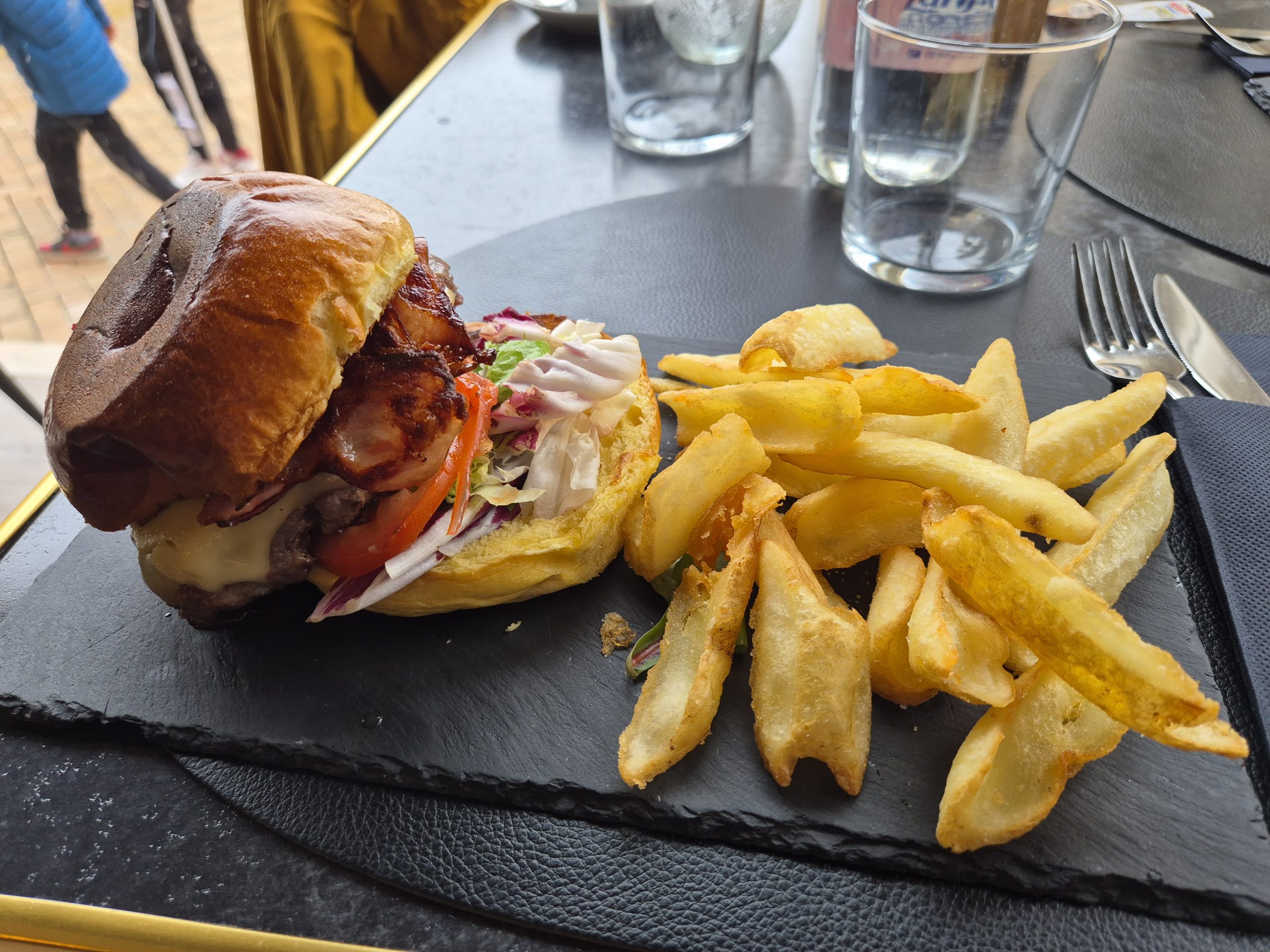
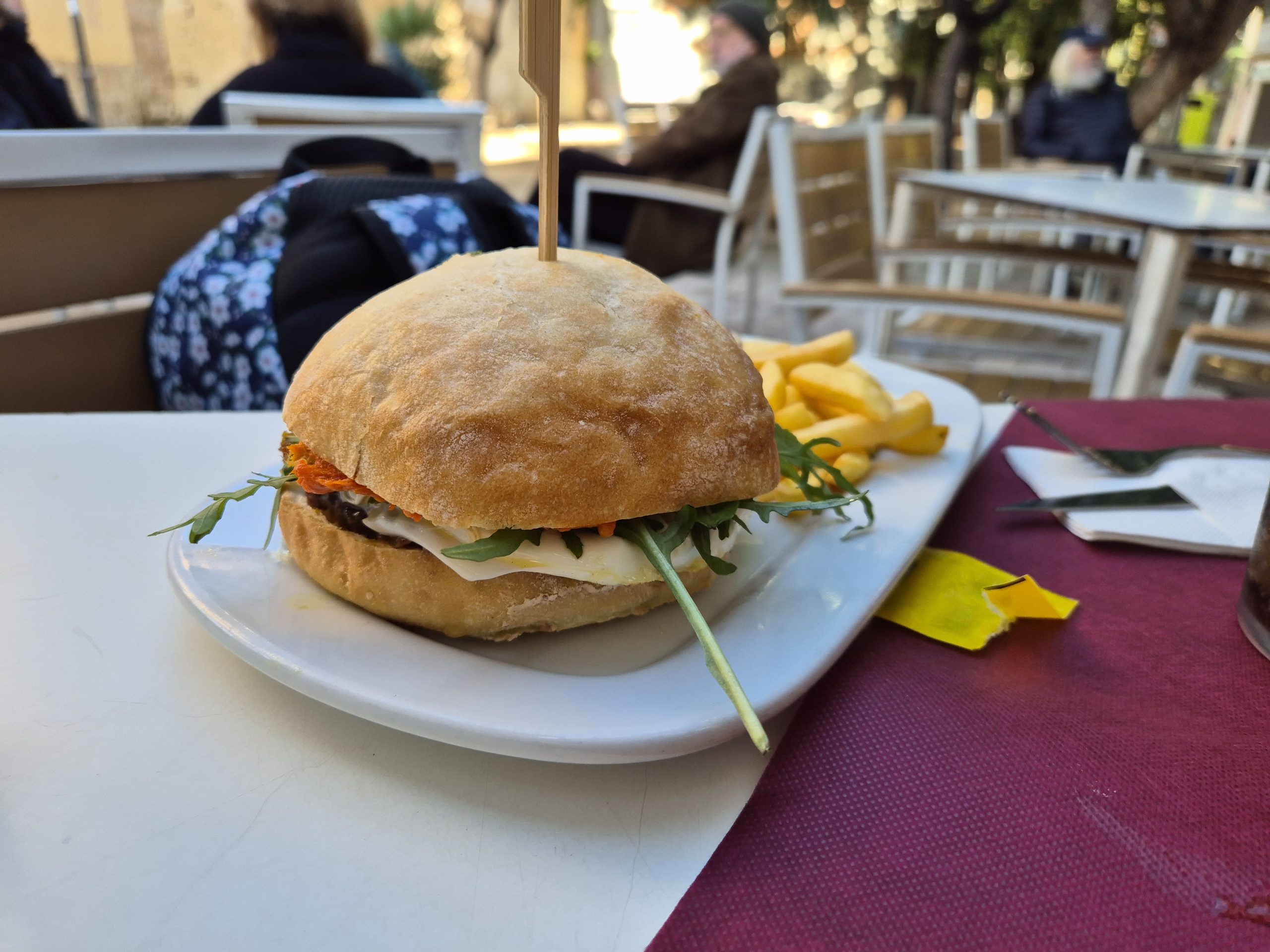
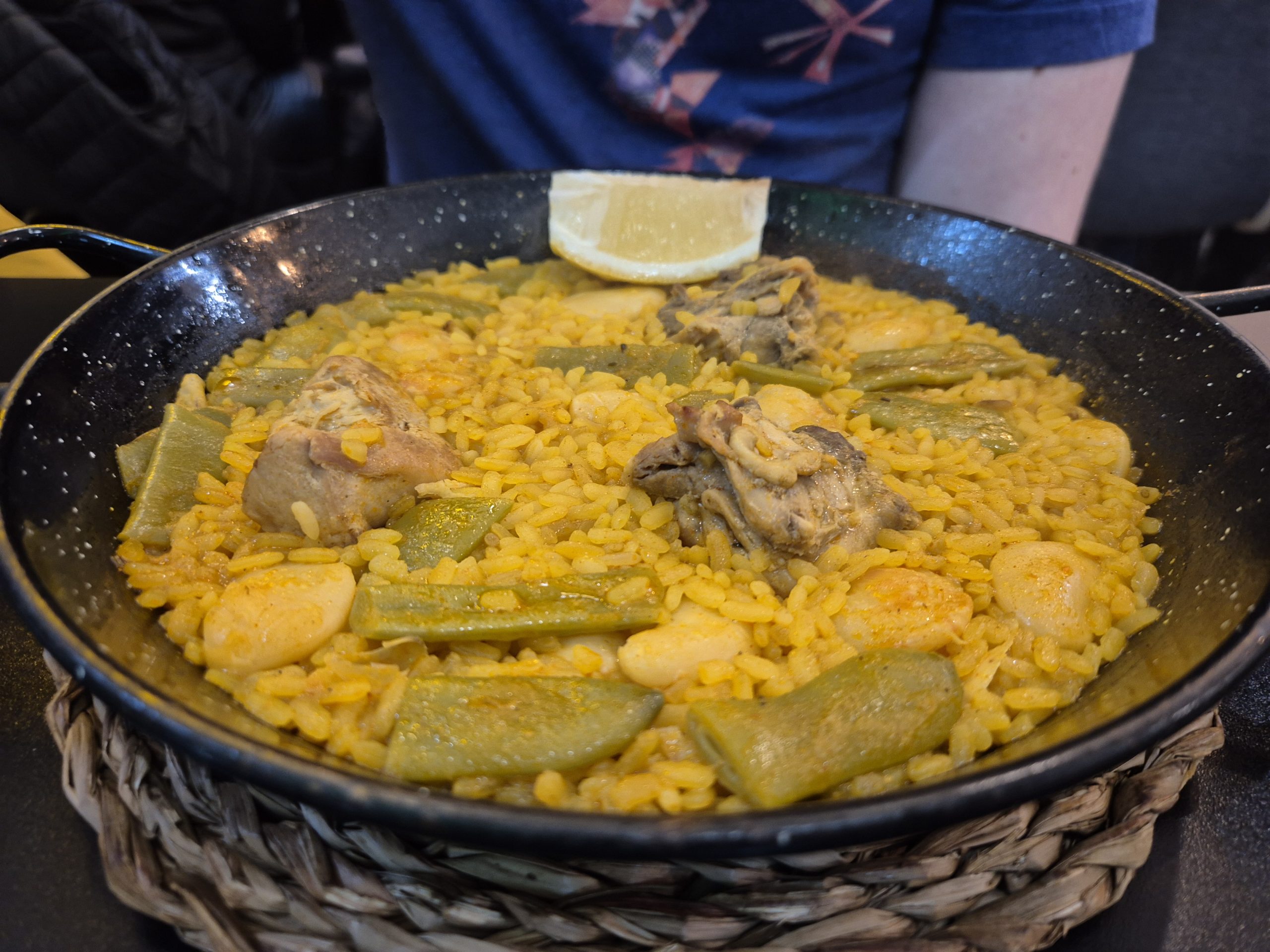
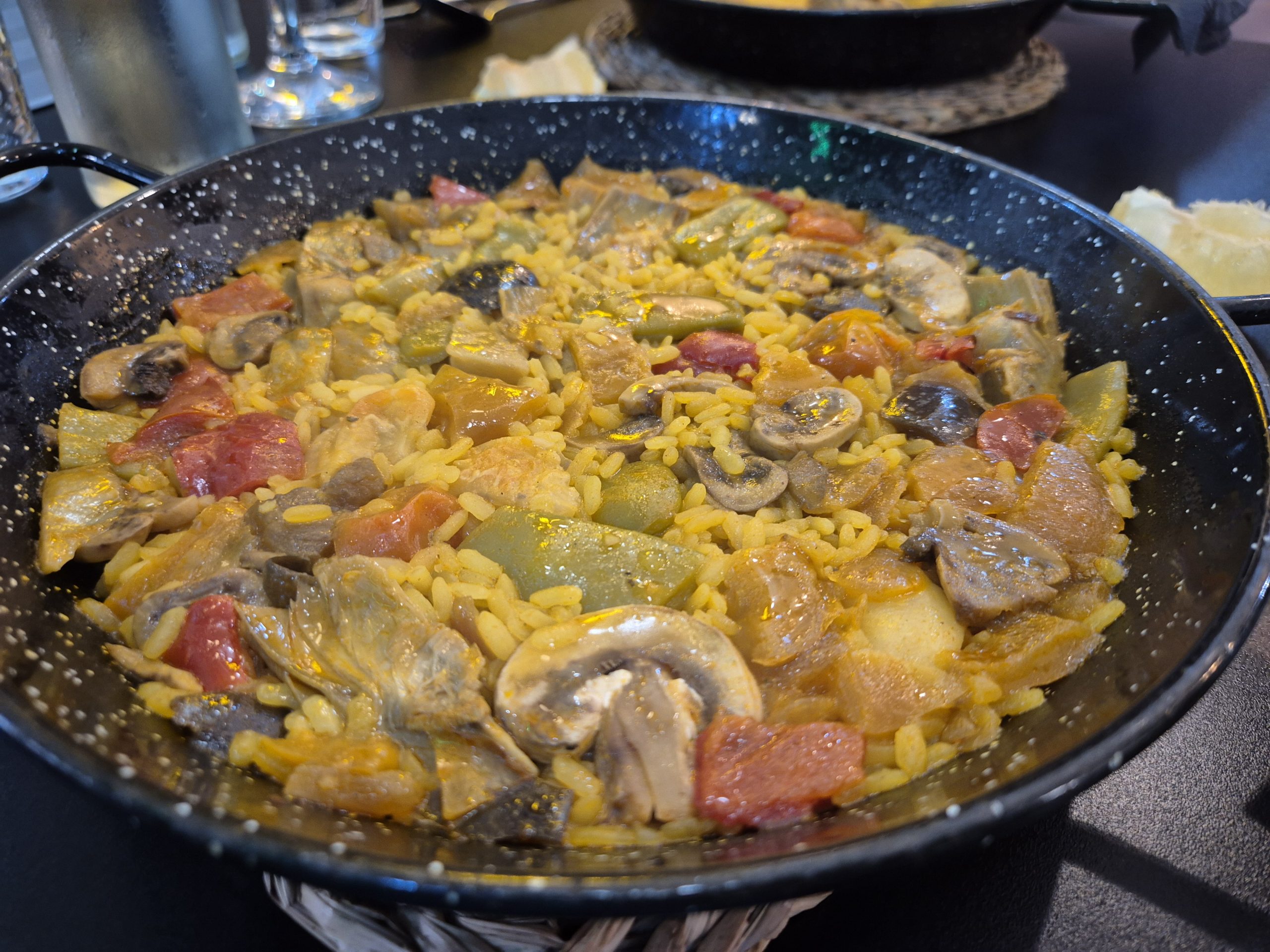
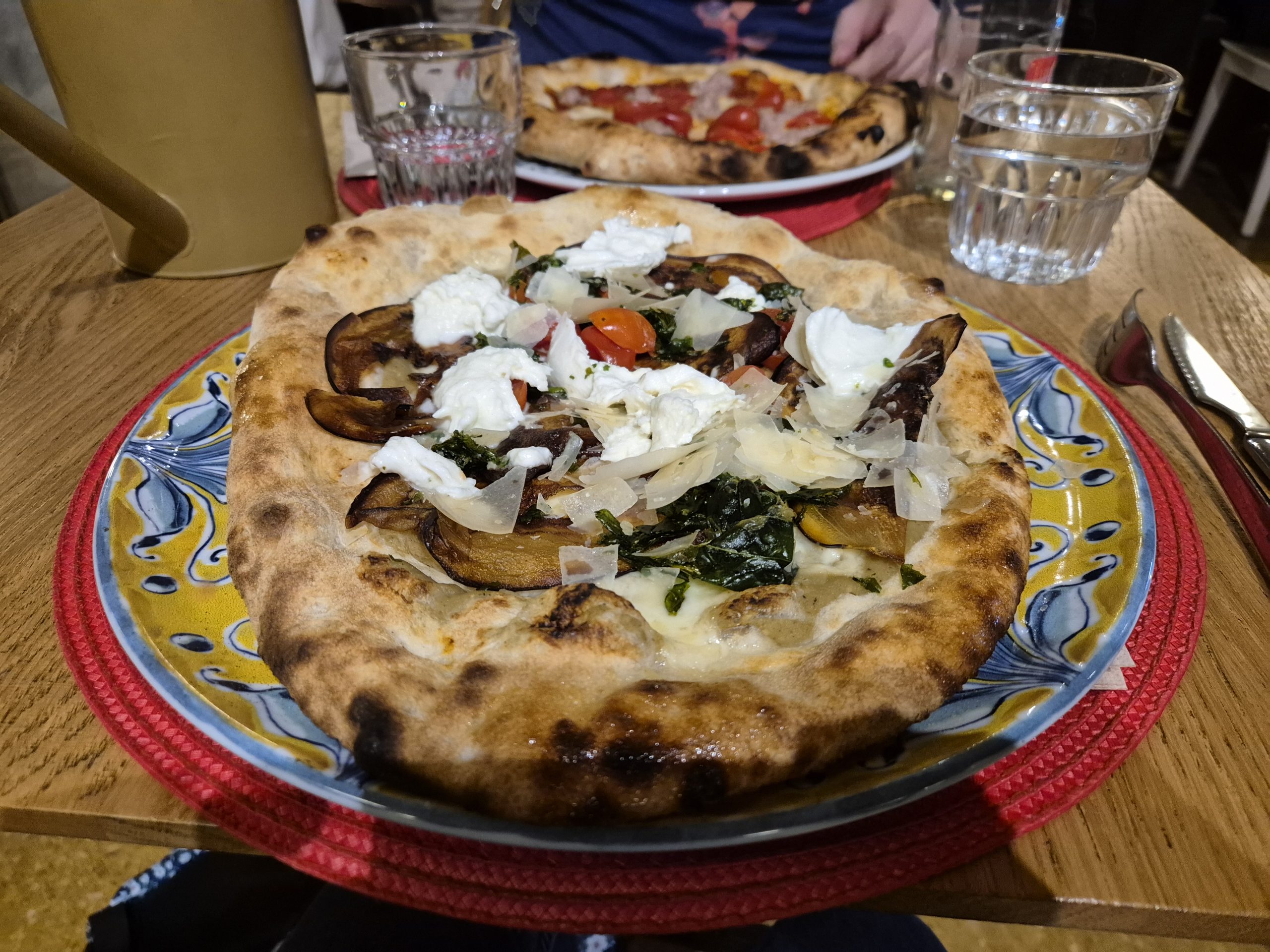
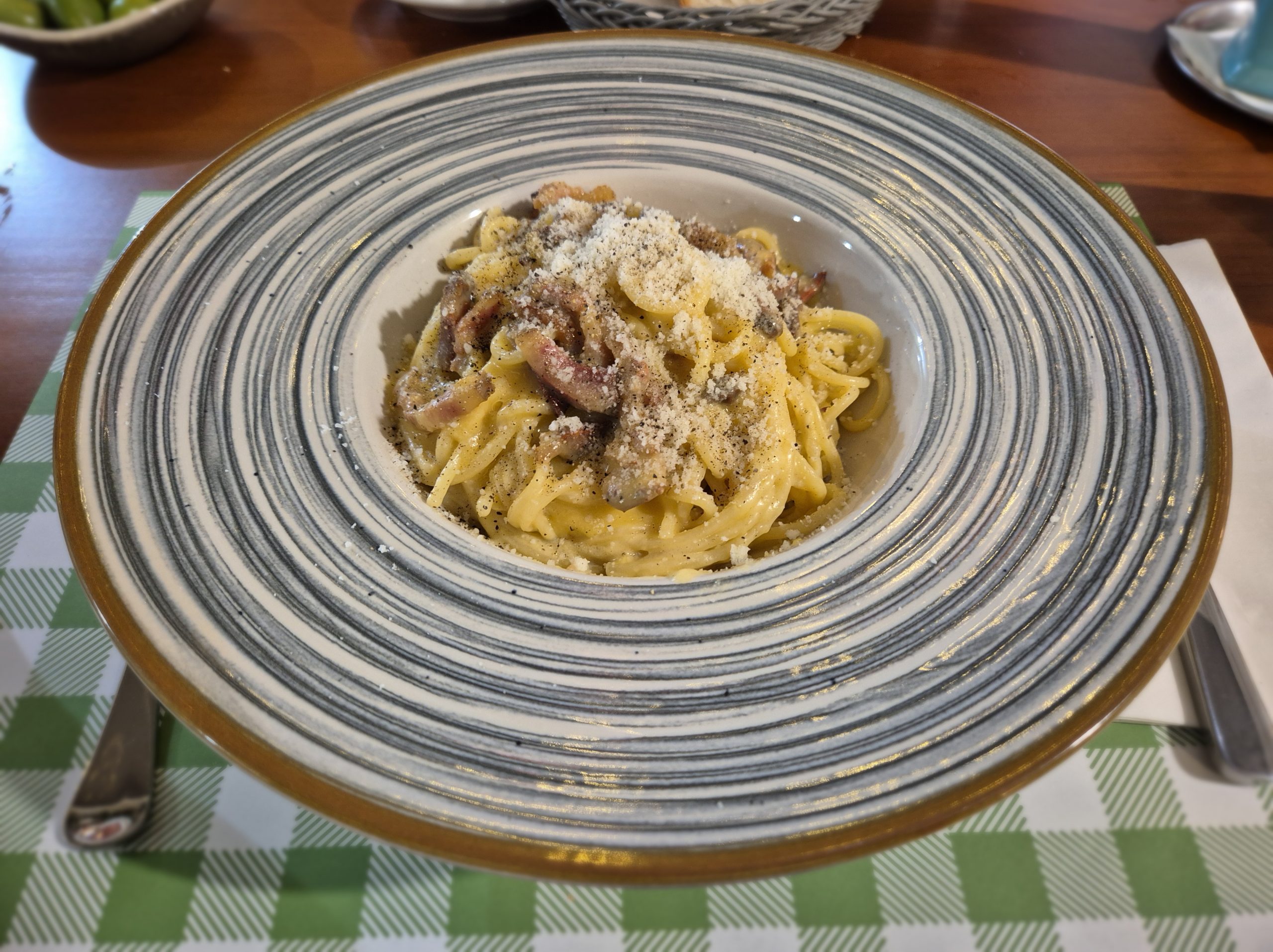
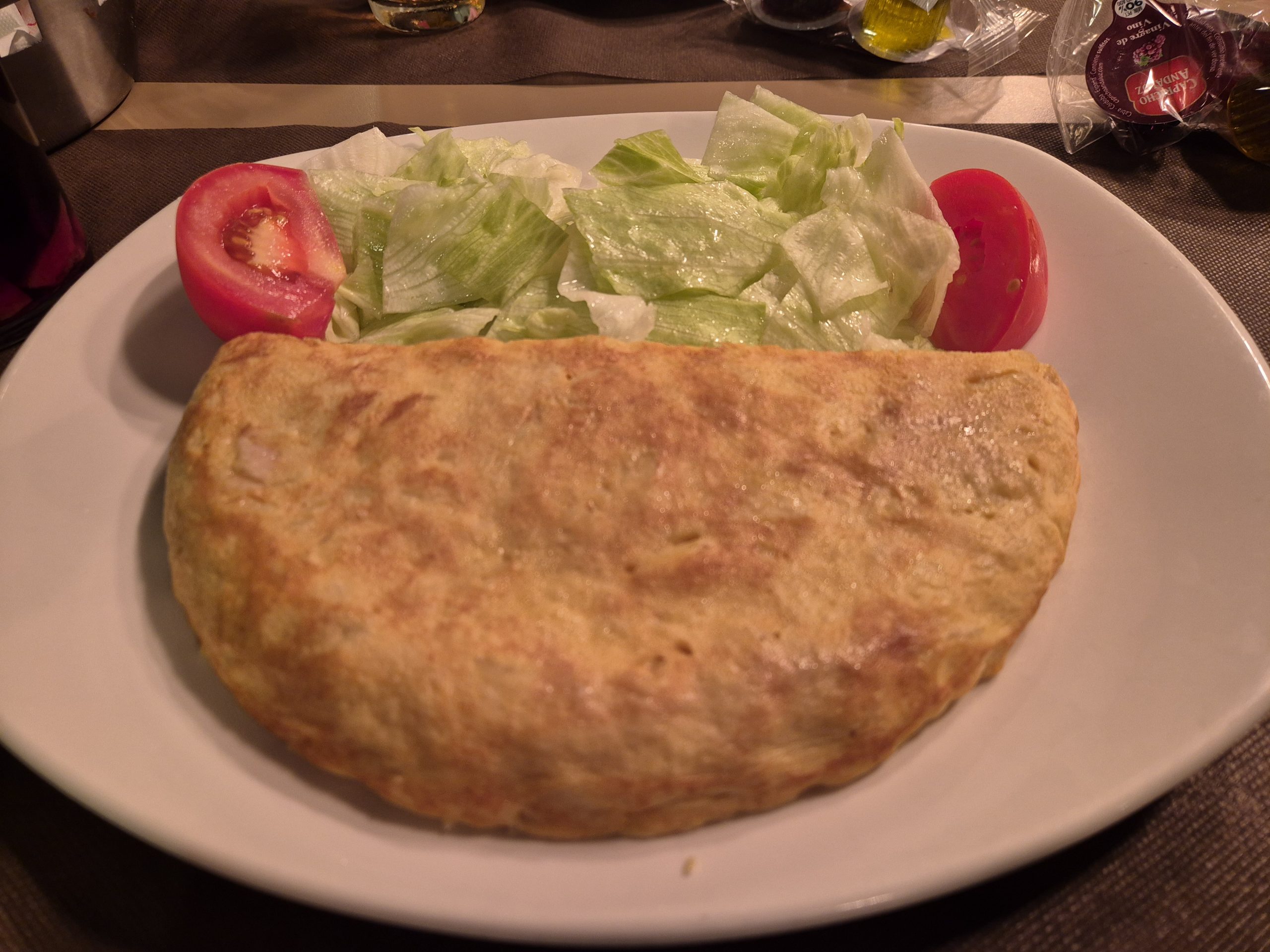
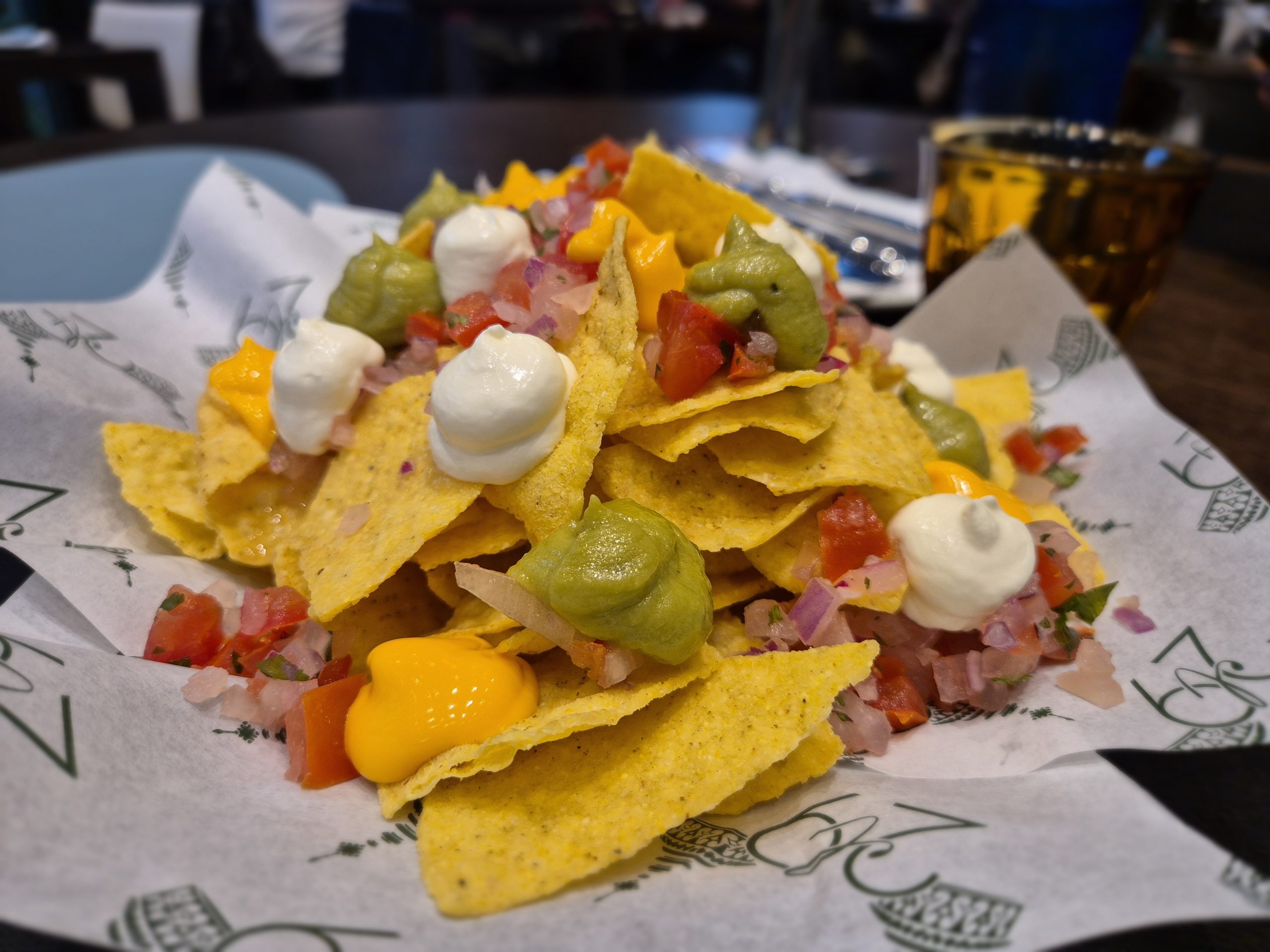
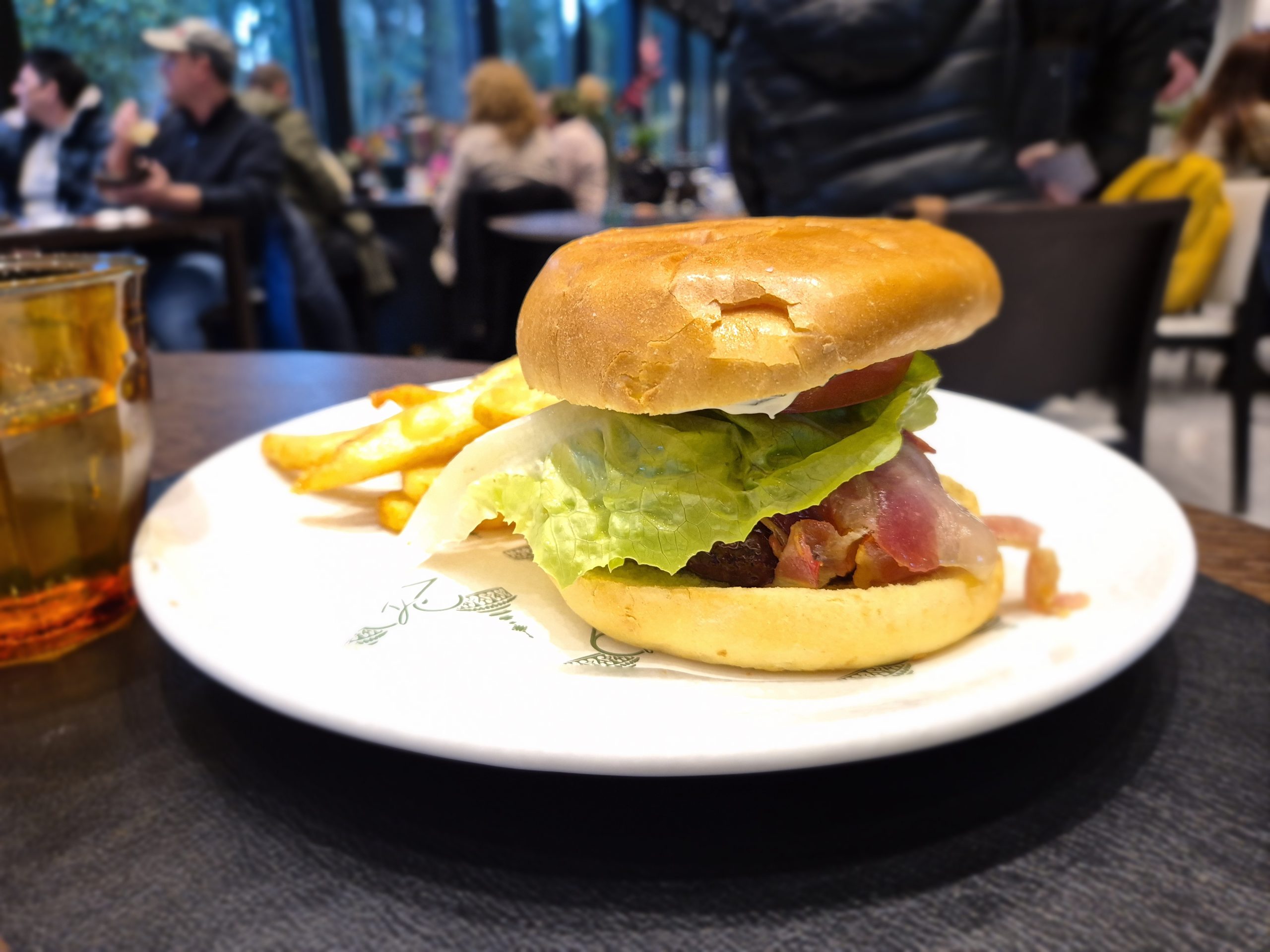
Vegetables are garnish, filler, or something to absorb oil. Vegetarian dishes are almost always subtractive – meat removed, nothing added in its place. There is little sense that a vegetarian plate should stand on its own terms.
My partner is happy with burgers and pizzas and doesn’t overthink food. Even so, I persuaded him to try Flamenquín Cordobés – a deep-fried roll of pork loin wrapped in jamón serrano – twice, in two different restaurants. The second was marginally better. Neither was memorable. As a dish, it relies on fat and the animal it’s made from. Strip away enthusiasm, and there’s not much left.
In Córdoba, a café menu card opened with a flourish: its food, it said, had been “given light by the Phoenicians” and developed by Romans, Visigoths, Arabs and Christians into “a marvellous melting pot.” It was genuinely moving to read – a city proud enough to print its own thousand-year culinary pedigree on a placemat. And almost none of it was for me. The dishes that carry that history – flamenquín, rabo de toro, the rest – are built on the animal. I could read the whole eloquent story; I simply couldn’t order most of it. The menu told a thousand-year tale and handed me the footnotes.
As a vegetarian, I exhausted Andalusian variety in about three days.
Olive oil cannot do all the work
Olive oil is wonderful. But in Spain it is often asked to do far too much.
Instead of layered acidity, fermentation, spice, or textural contrast, olive oil becomes the main flavor strategy. Generous, warm, comforting – and monotonous. After a few days, dishes blur into one another.
Nothing is offensive. Everything is unfinished.
The sauce desert (or: why are fries always naked?)
Across cities – Córdoba, Seville, Granada, Málaga – one thing was uncannily consistent: fries arrive alone.
No mayo. No ketchup. No aioli. Not even the question.
This isn’t stinginess; it’s philosophy. Sauces are seen as unnecessary interference. The food is meant to speak for itself. But when the food has little to say, this feels less like restraint and more like indifference.
Tapas: brief salvation, quick fatigue
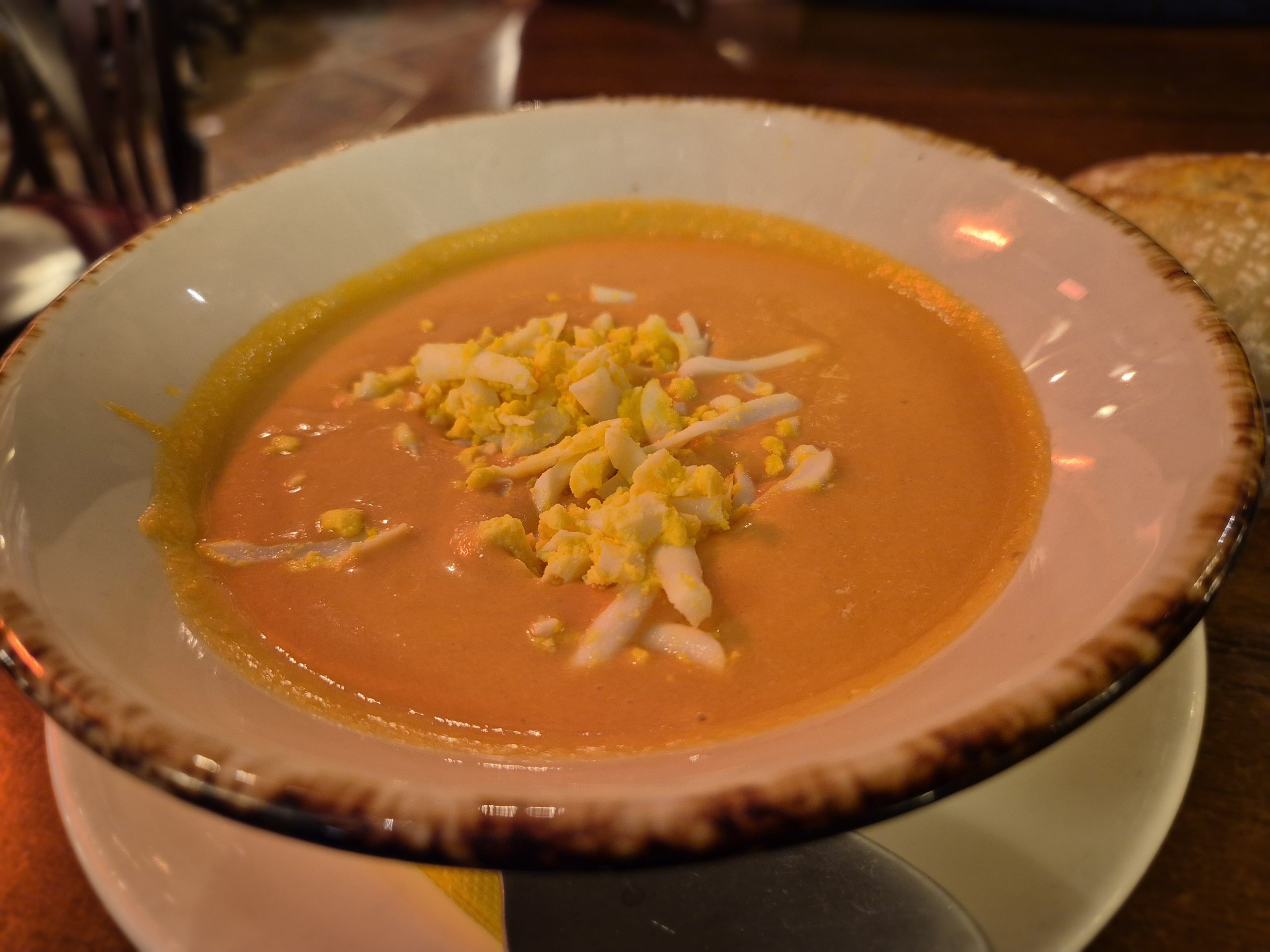
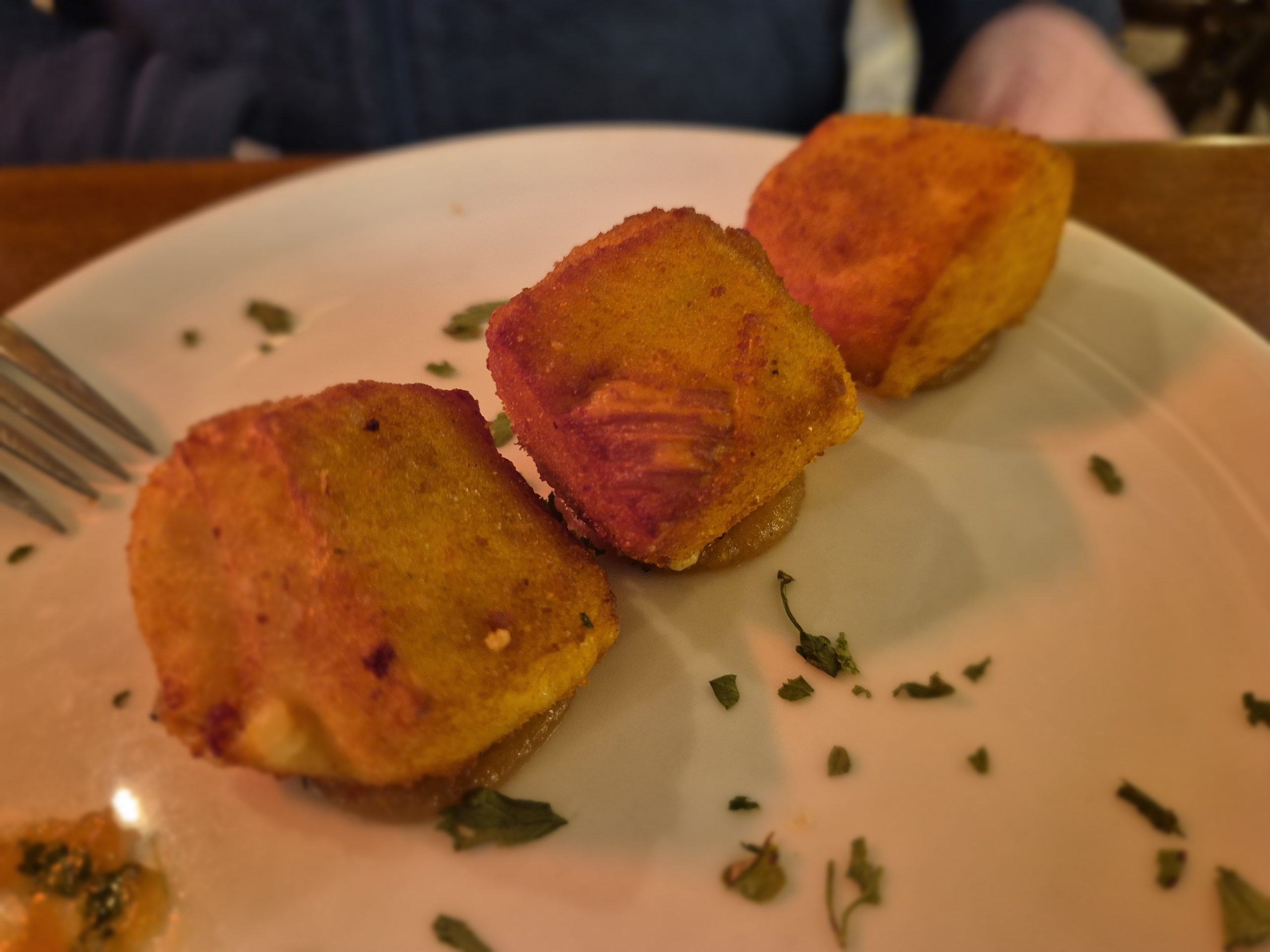
One evening in Seville, tapas finally worked. A handful of plates that tasted genuinely good.
Most of it, admittedly, was deep-fried cheese.
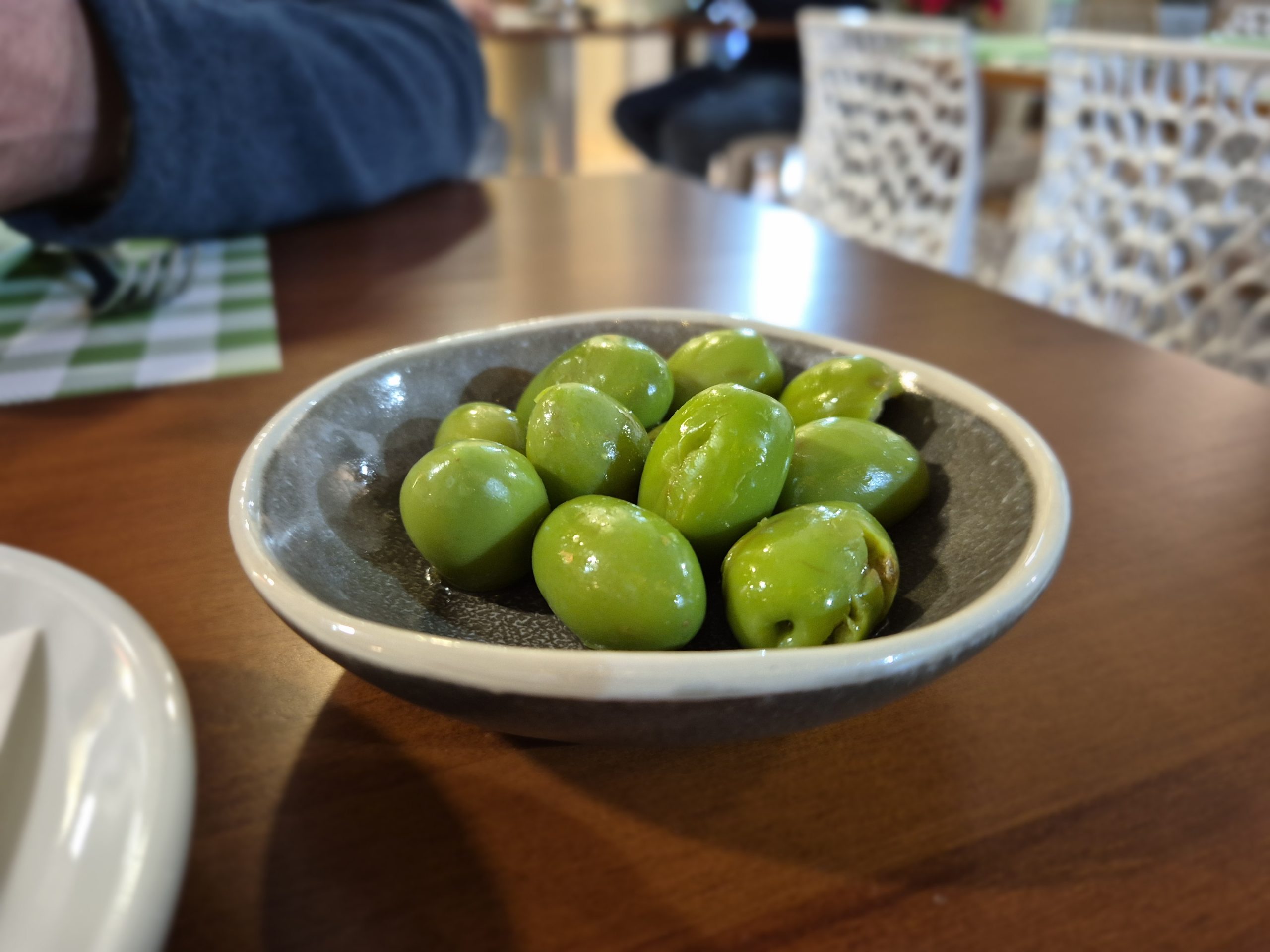
Tapas create the illusion of variety – many plates, few actual ideas. Once novelty wears off, you realize how quickly the range collapses, especially if you don’t eat meat or fish.
The vegetarian search problem
Searching for food as a vegetarian in Spain is uniquely frustrating.
Search online, and you’re funnelled toward “vegetarian restaurants” – places that often serve joyless, over-engineered, ideology-heavy food. New-fangled concoctions made by people who seem to distrust pleasure, texture, or appetite. Food that feels punitive rather than nourishing.
That’s not what I’m looking for.
What I want is simple: normal restaurants, serving normal food, with a decent variety of vegetarian options alongside meat and fish.
There is no search term for this.
So you scroll, squint at menus, ask questions, and slowly lose patience.
The false promise of “ethnic” cuisine
Eventually, you drift toward cuisines that should understand vegetarianism.
A Moroccan restaurant in Seville turned out to be overwhelmingly meat and fish, with one lonely couscous option without meat.
Then there was the “Indian” section of the menu – a few north-Indian clichés, stripped of context. I ordered a vegetable biryani. It was disastrous: wet, sharply spicy-hot, and otherwise bland – a contradiction that somehow existed on the same plate.
I salvaged the meal with a Moroccan yoghurt “salad”, recognizably similar to raita, until oregano entered the picture and derailed the flavor entirely.
I could see the shape of what these dishes were meant to be. That recognition made the disappointment sharper.
Tea, what?!
Another small but persistent frustration: Spain does not understand tea.
This became obvious in Granada and Seville in late December – rainy, grey, cold (daytime 6 degrees C). The kind of weather where stopping for a cup of tea feels not indulgent but reasonable. I wasn’t asking for ritual. Just hot water and a miserable tea bag would have done.
Instead, café staff looked surprised and suggested cold alternatives. Sangria comes with huge rocks of ice. White wine, beer, soft drinks – all chilled. The only reliably warm option was red wine.
At a couple of places, my partner found hot chocolate. In Valencia, the phrase was taken literally: thick, melted chocolate, closer to dessert sauce than chocolate milk. It tasted good, but it wasn’t comfort.
Spain, it seems, does not pause for warmth.
What Spain does get right – drinks, desserts, and one perfect dish
When Spain does something distinctive, it does it well.
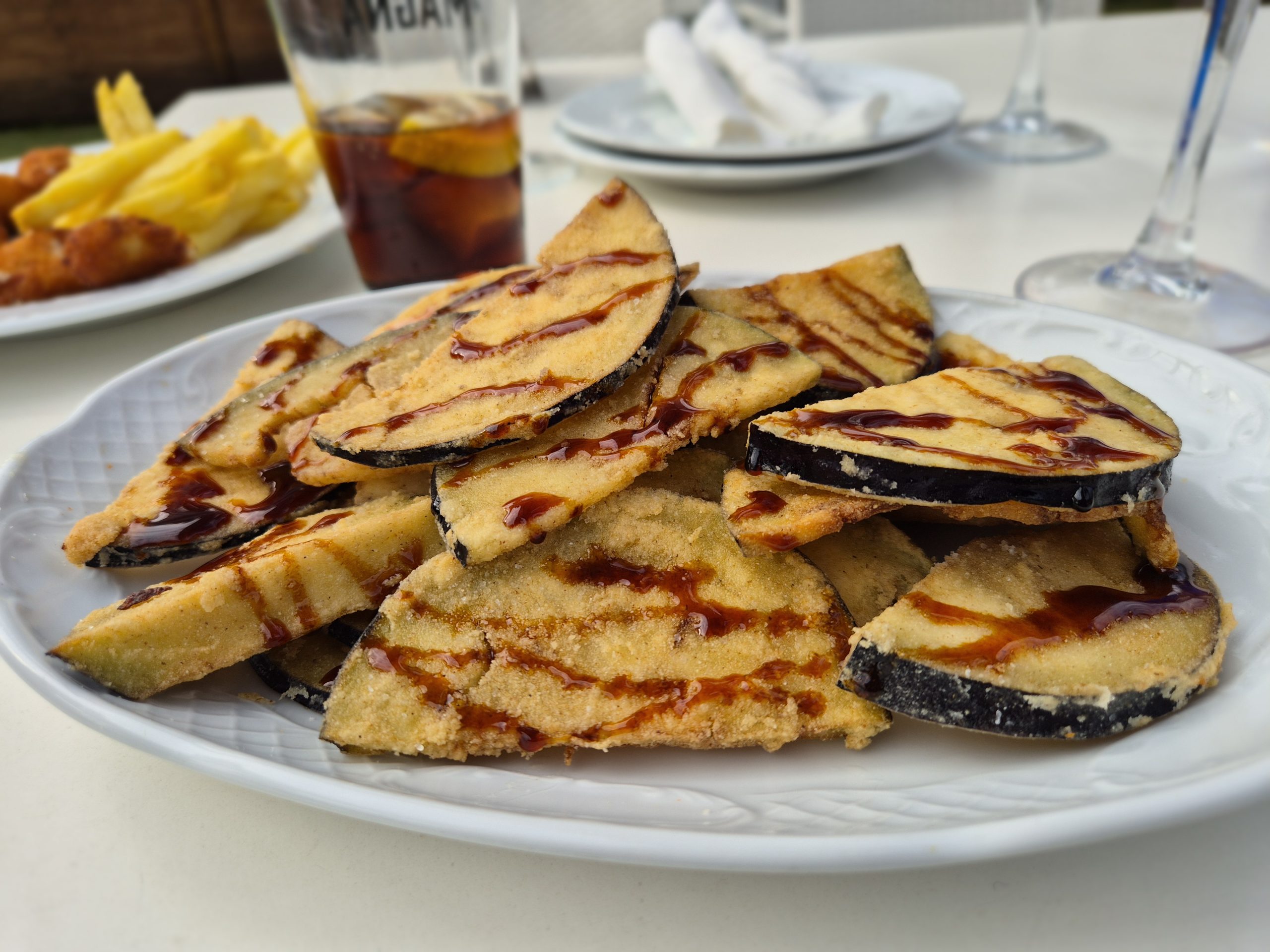
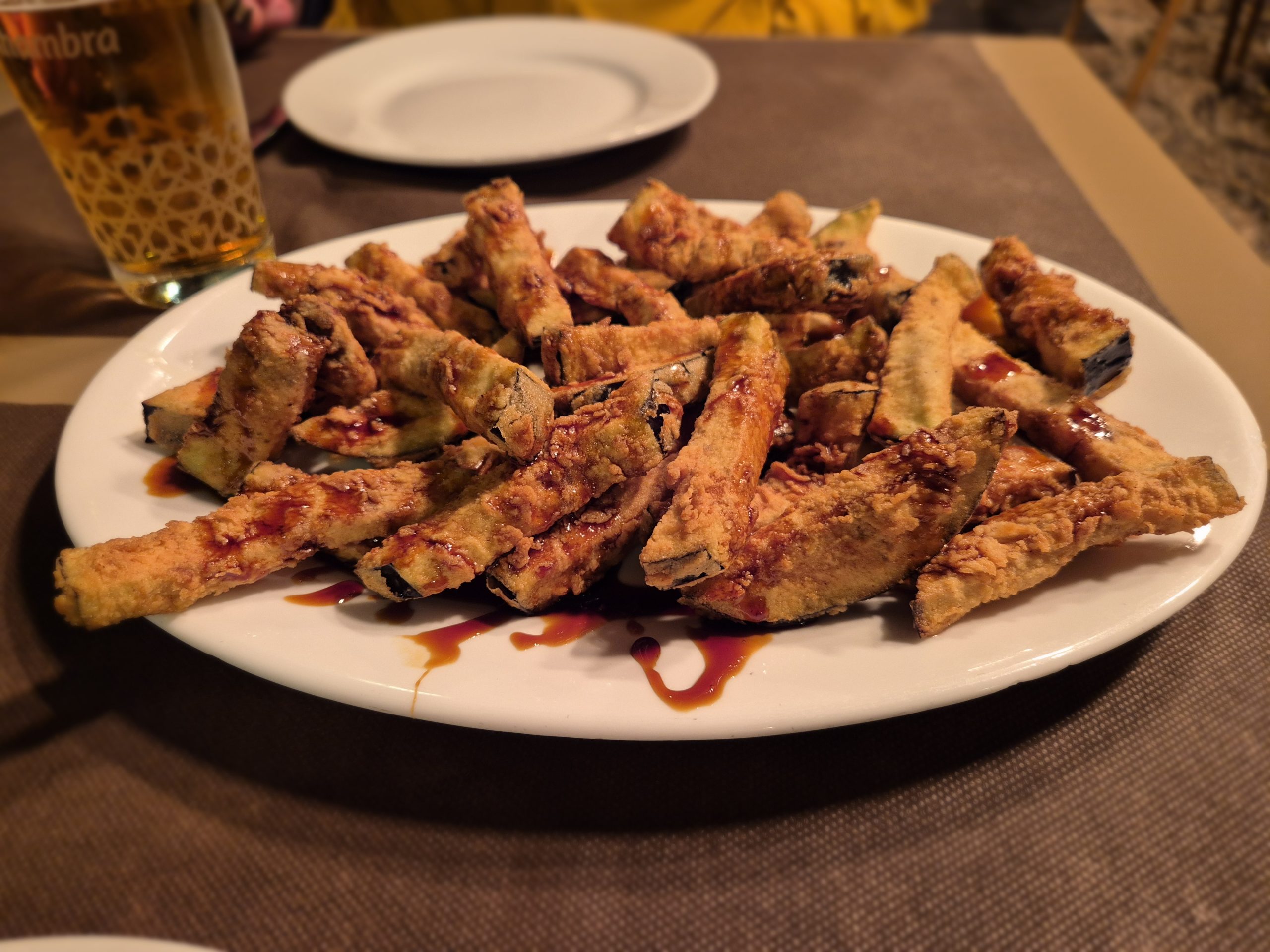
There was one savory dish I kept coming back to: berenjenas fritas con miel – aubergine fried crisp and laid under a drizzle of dark cane honey. It’s the rare Spanish vegetarian plate built for its own sake rather than by subtraction, and it is pure Moorish Andalusia: the Arab legacy of the aubergine and the sweetness of honey arriving together on one plate. I met it on the first afternoon in Valencia, found it again in the berenjenas califales of Córdoba, and several times at different cities, because it was a likeable and easy option, though unhealthily deep-fried. In the end, it became too much of a good thing.
And there was paella – Spain’s one globally famous dish – which we had on the very first night in Valencia, full of trip-opening hope: a vegetable paella for me, rabbit (the classic Valencian version) for B. We both enjoyed it well enough – a fitting, optimistic way to begin. However, paella is technically a Valencian dish, so it isn’t ubiquitous through Andalusia.
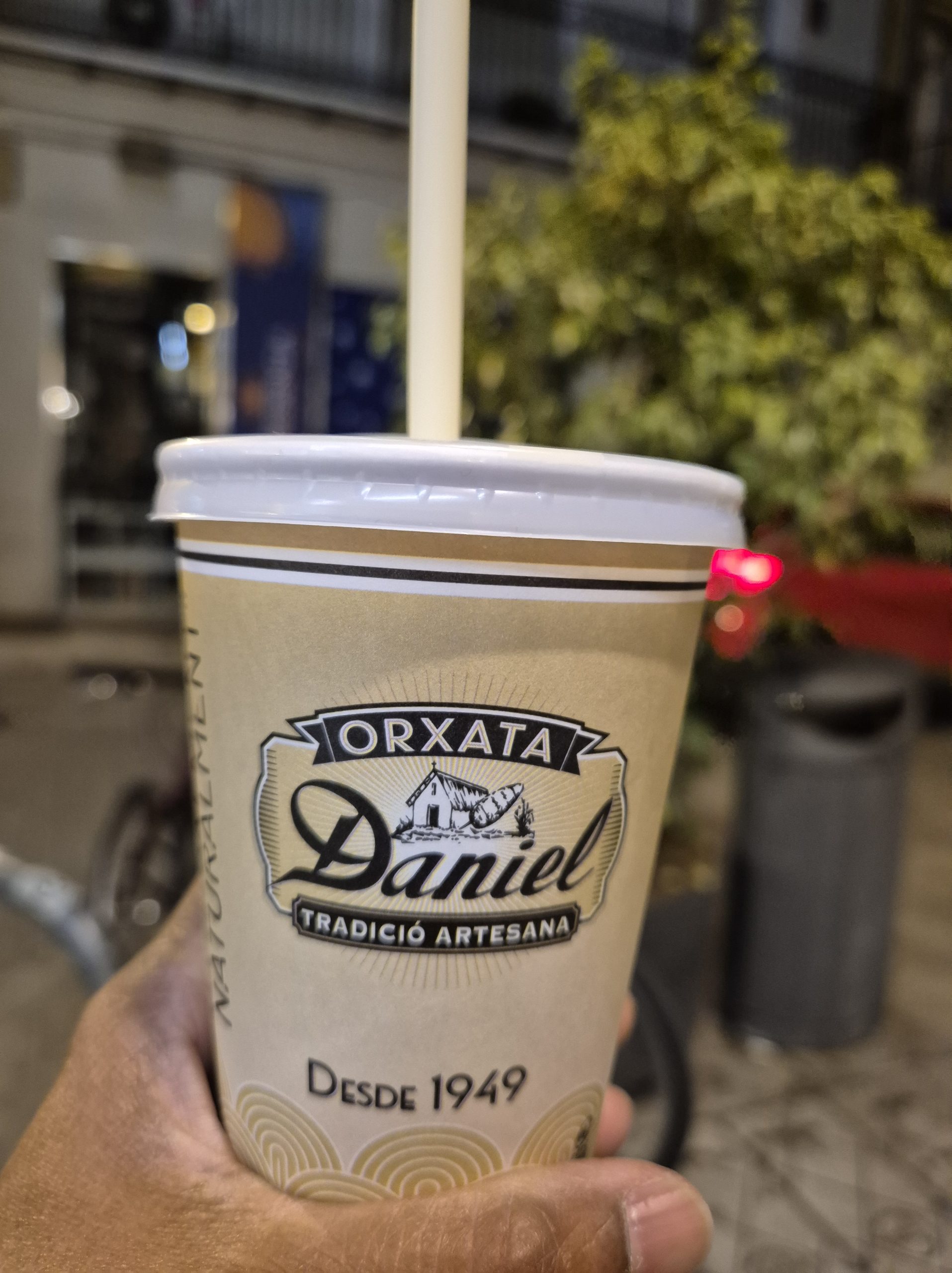
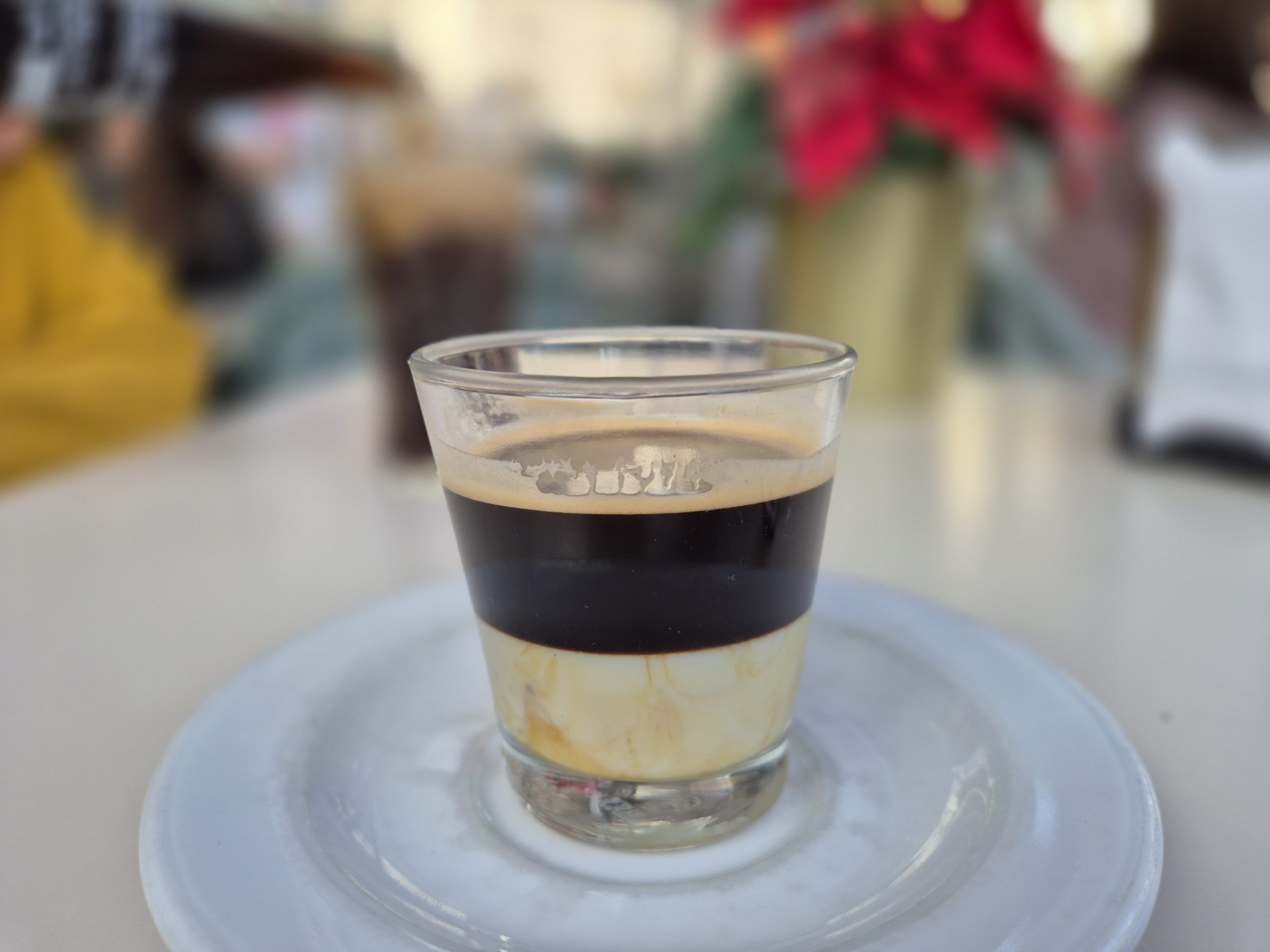
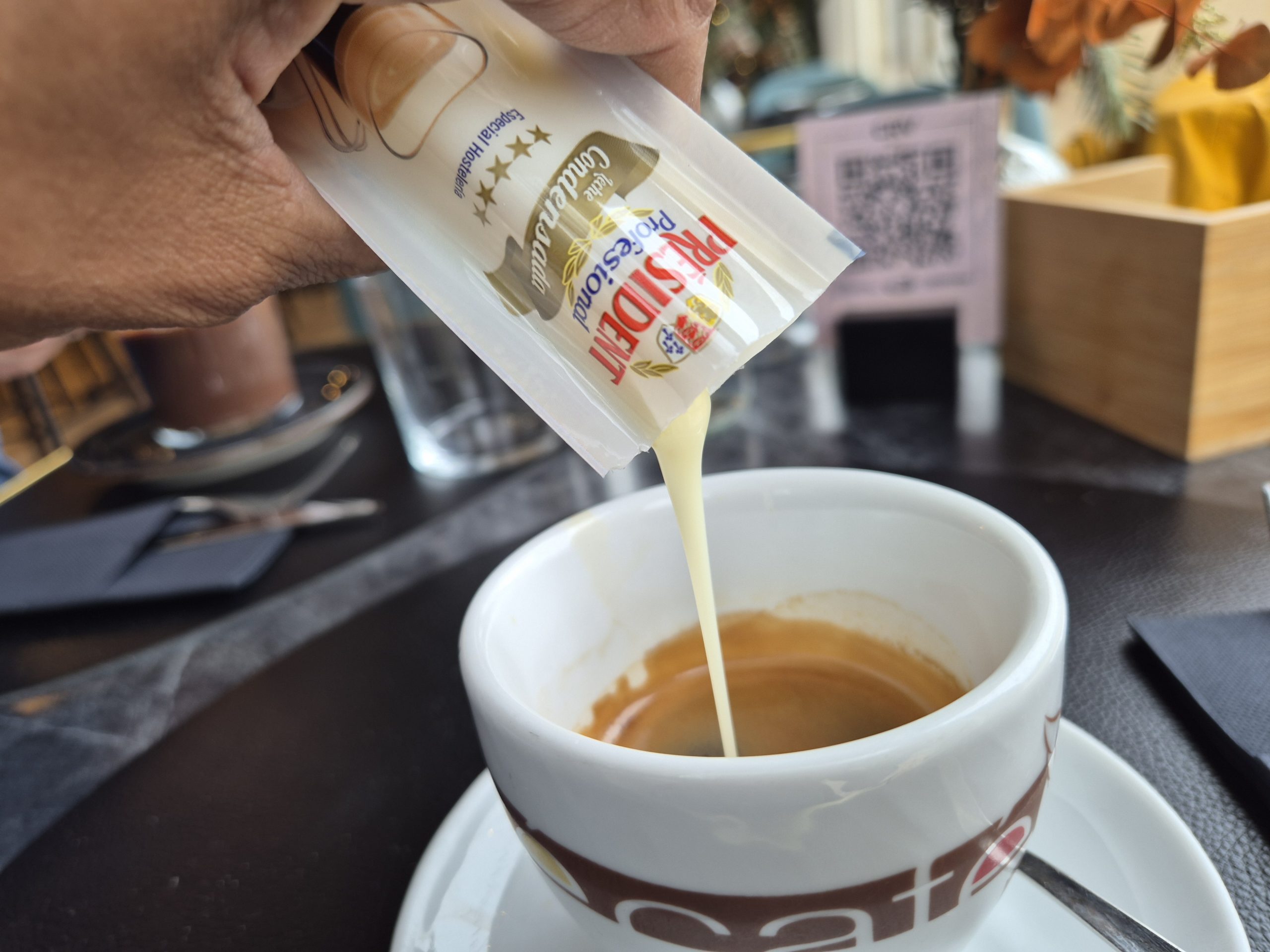
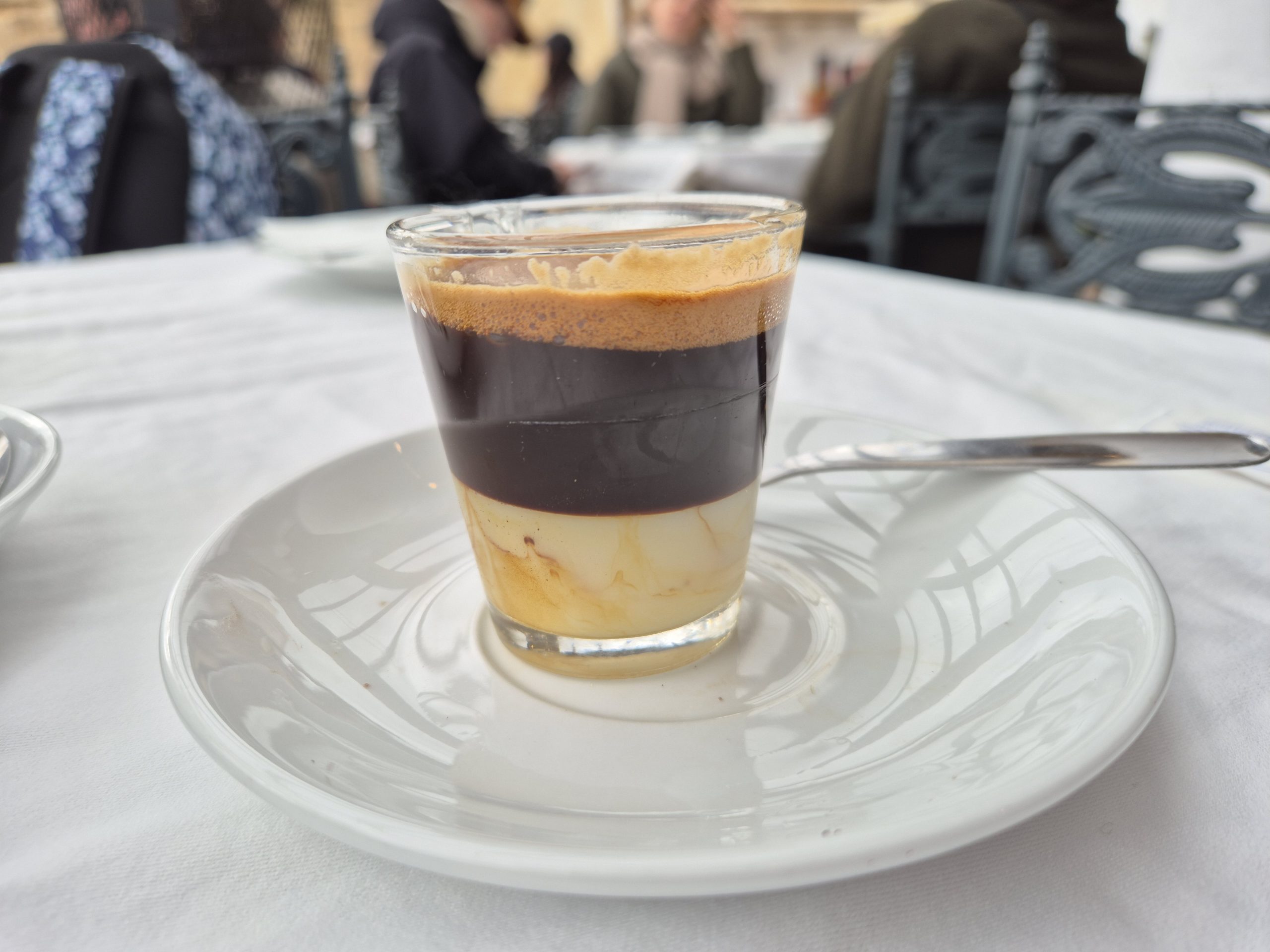
At the very first café we stopped at in Valencia, I stumbled upon café bombón – espresso with condensed milk. Sweet and intense. I promptly fell in love with it.
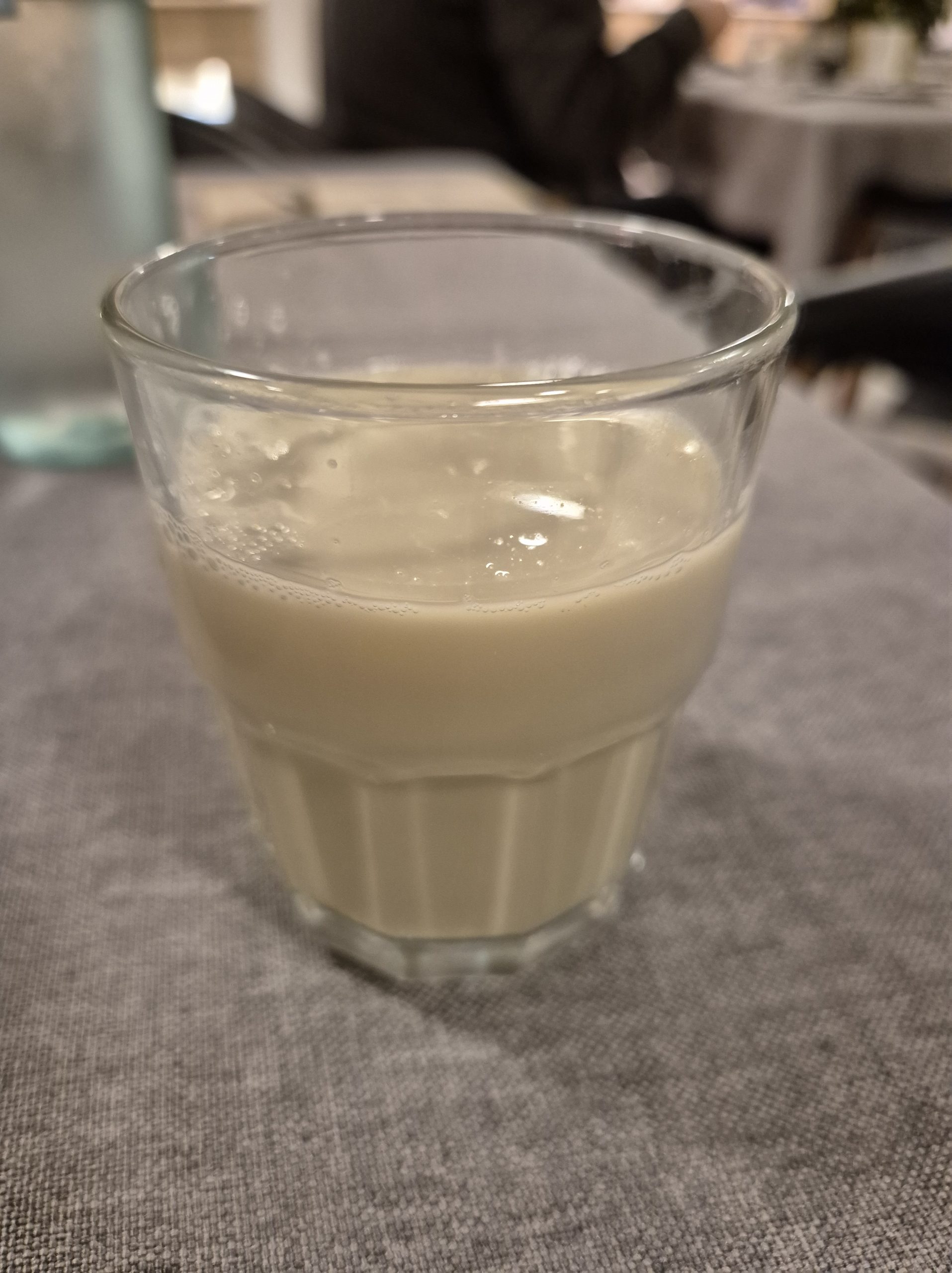
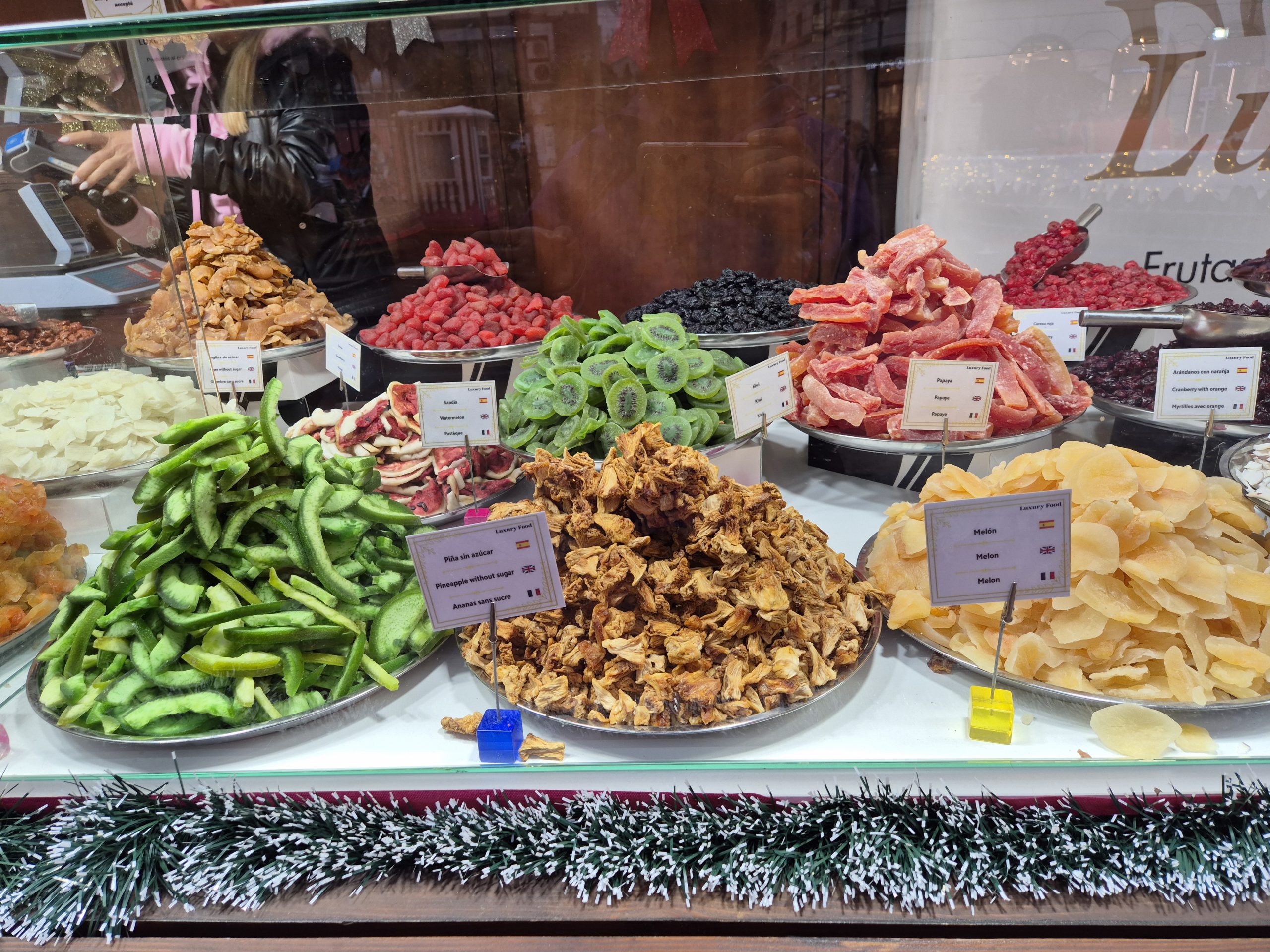
Later, I tried horchata, Valencia’s own tiger-nut specialty. I liked the taste – nutty, refreshing, a bit like the Neera you get in Pune – though I couldn’t quite get past how much it looks like country liquor poured straight from a plastic canister.
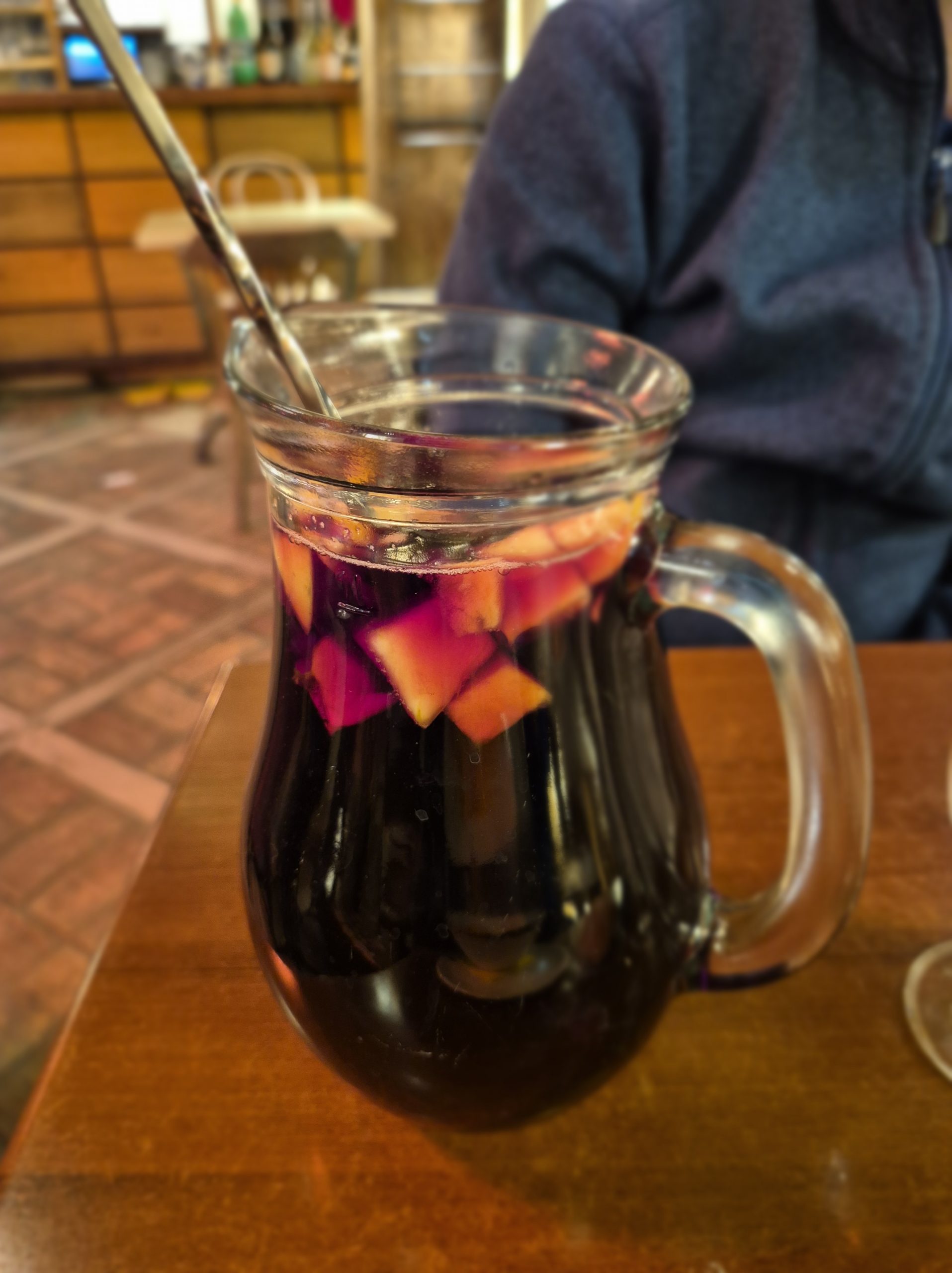
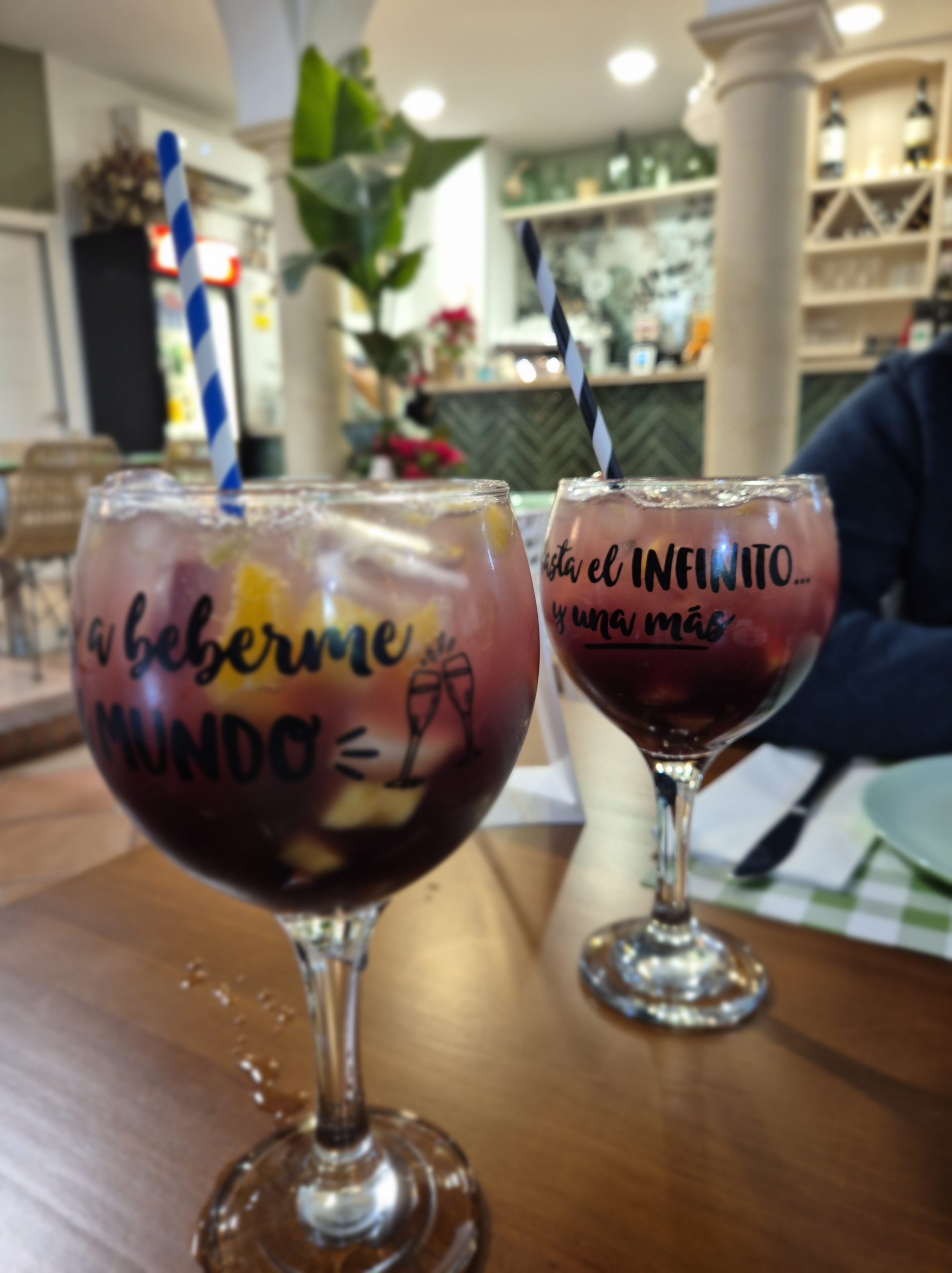
And sangría – fruit, ice, and the happy pretence that it isn’t really wine – became the running comfort of the trip; it won over even B, who otherwise dislikes wine.
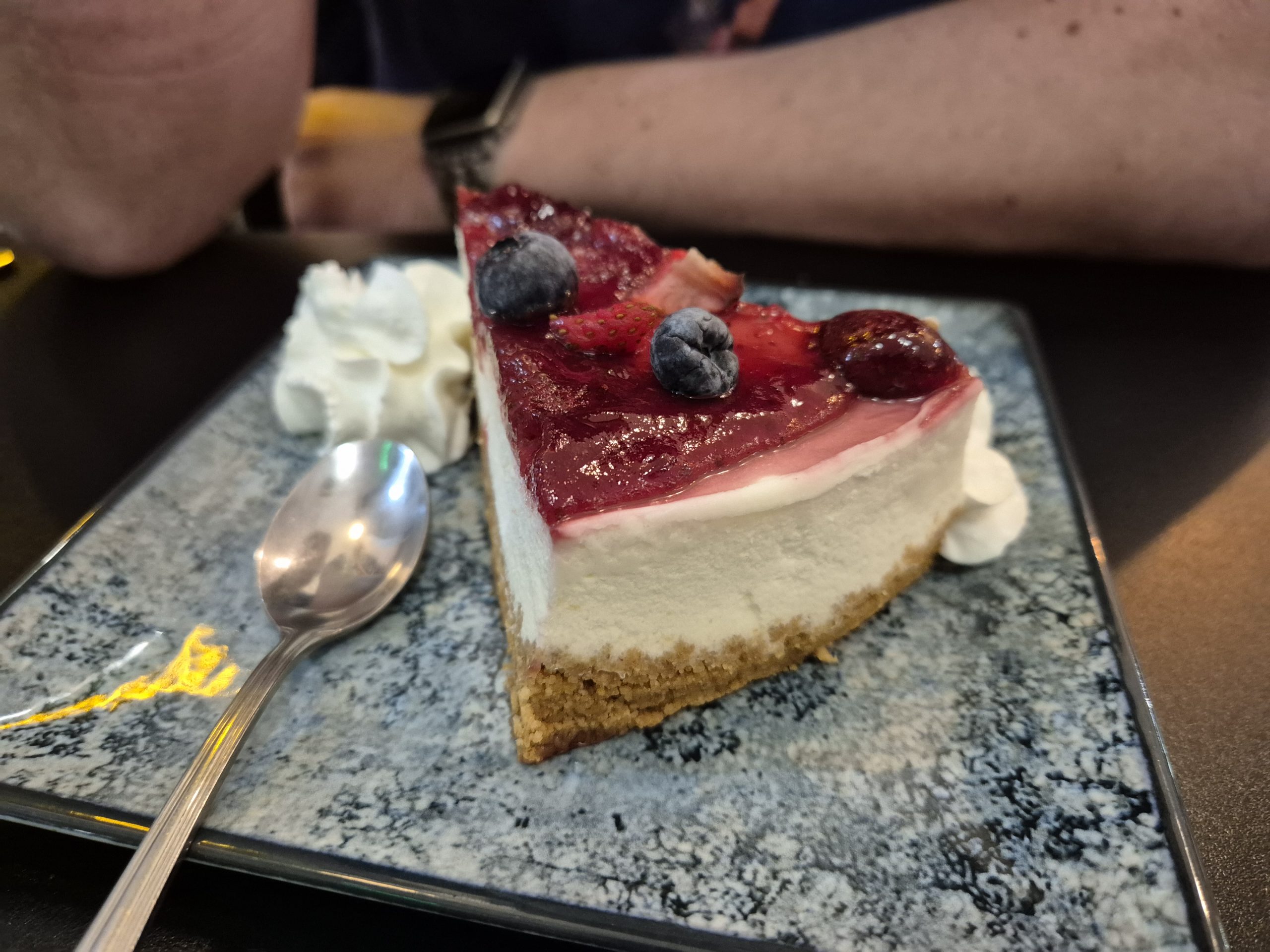
And then there are desserts.
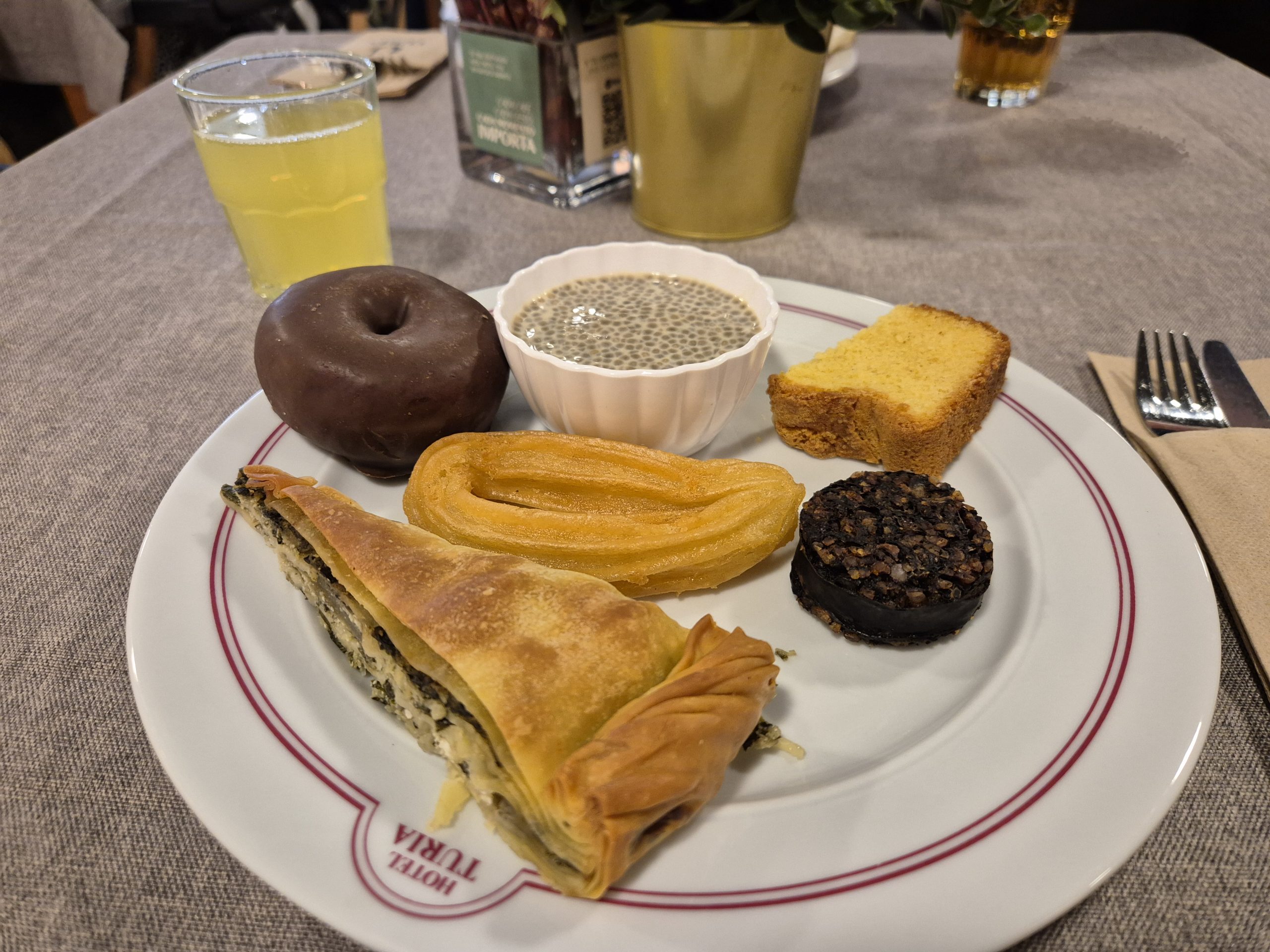
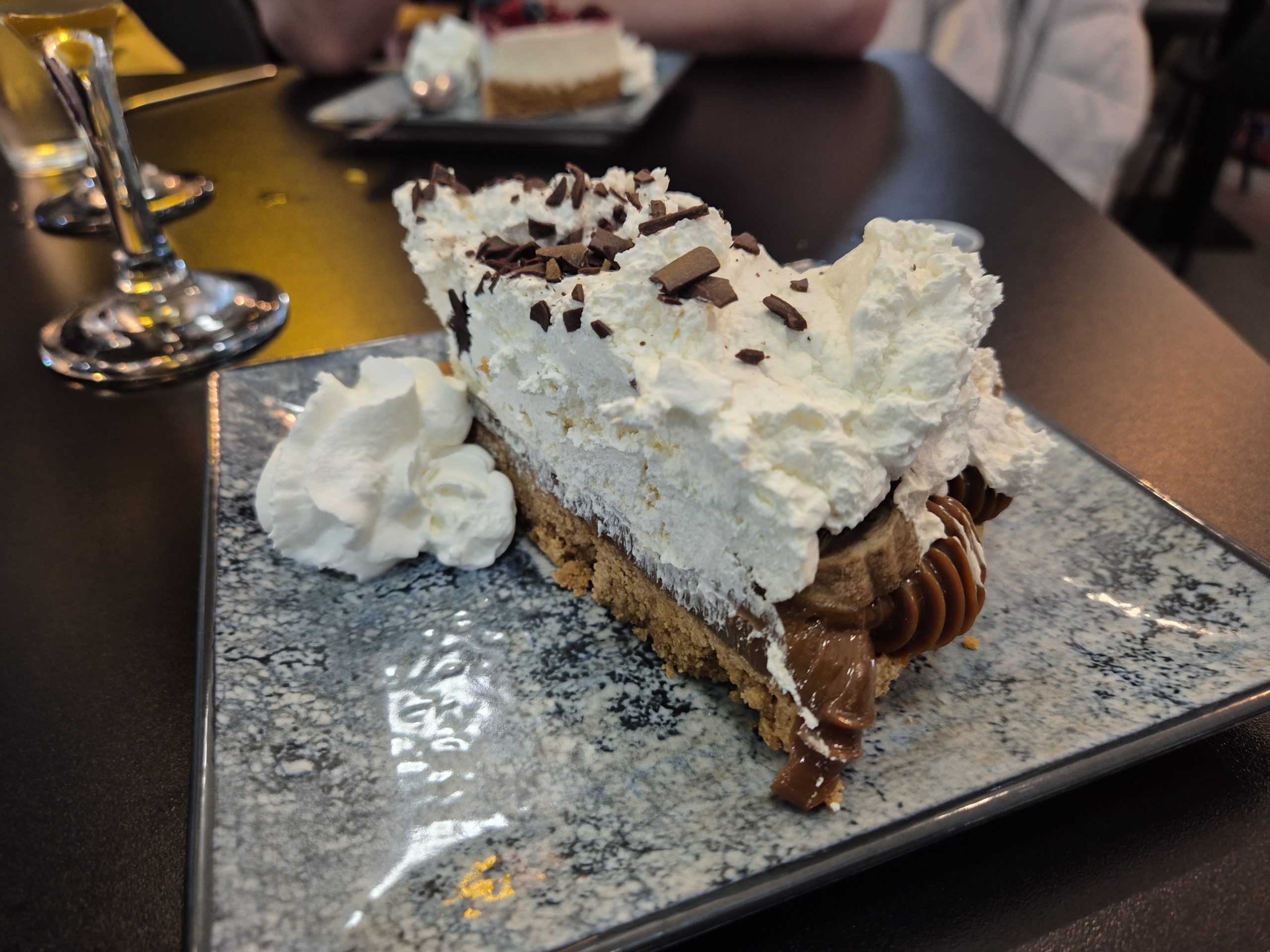
The Spanish seem entirely comfortable eating dessert at any time of day. Mid-morning coffee? Dessert. Afternoon drink? Dessert. Late night? Also dessert. It’s offered so casually that it feels less like a way of life.
The desserts themselves are good, often better than the savory vegetarian food. But one cannot replace food with desserts for two weeks. Or rather: one can, but one pays for it later.
Tourist cities and the disappearance of authenticity
All of this is amplified by tourism.
In Andalusian cities saturated with visitors, food becomes transactional. Menus flatten. Dough is frozen. Shortcuts multiply. There is little incentive to cook with care when footfall is guaranteed.
For a vegetarian, this removes even the chance of stumbling upon something quietly excellent. Authentic places may still exist, but finding them requires local knowledge, language, patience – and the freedom to eat meat if that’s what the kitchen does best.
Under constraint, authenticity becomes inaccessible.
When adaptation runs out
After enough misses, something shifts.
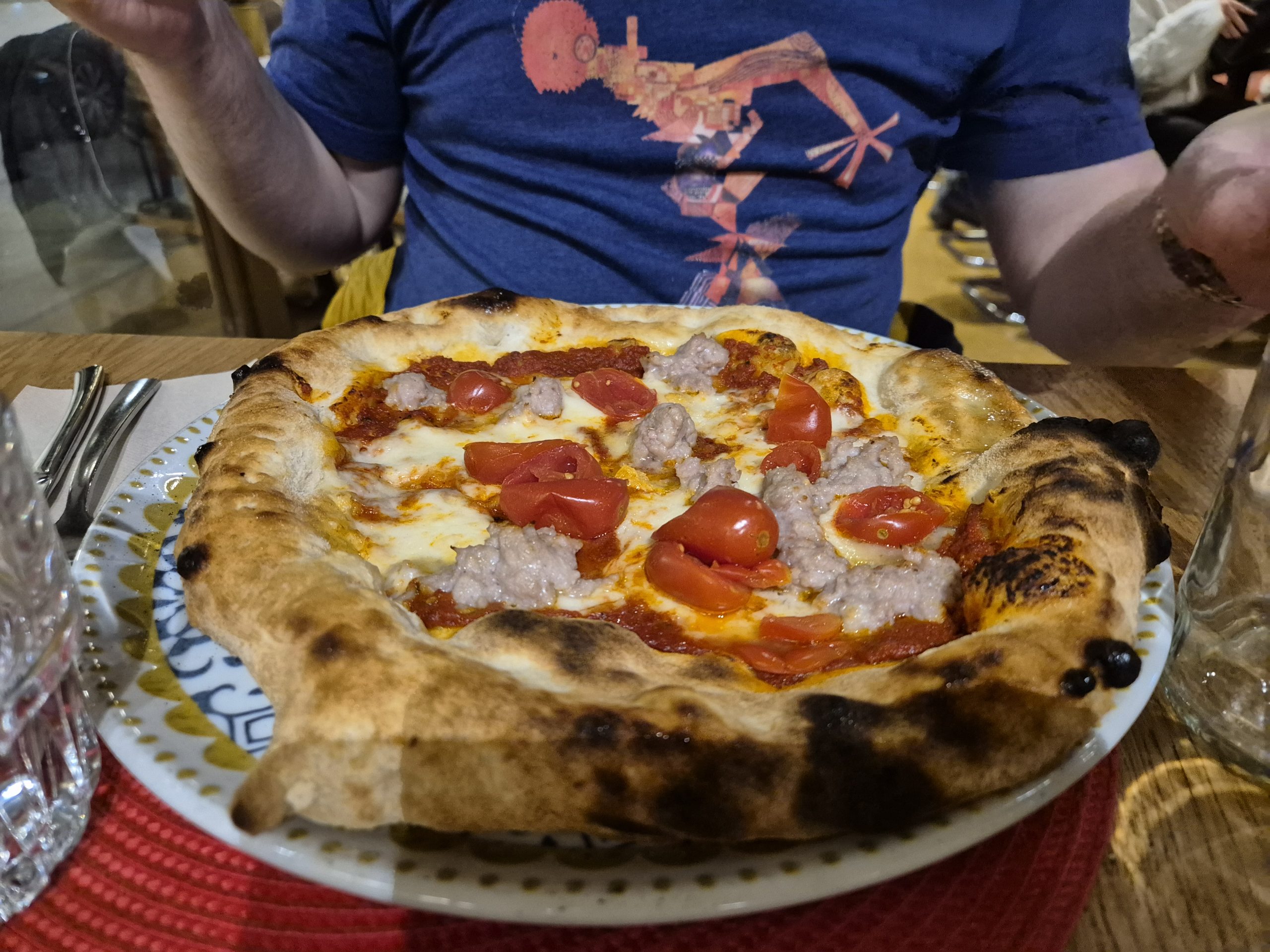
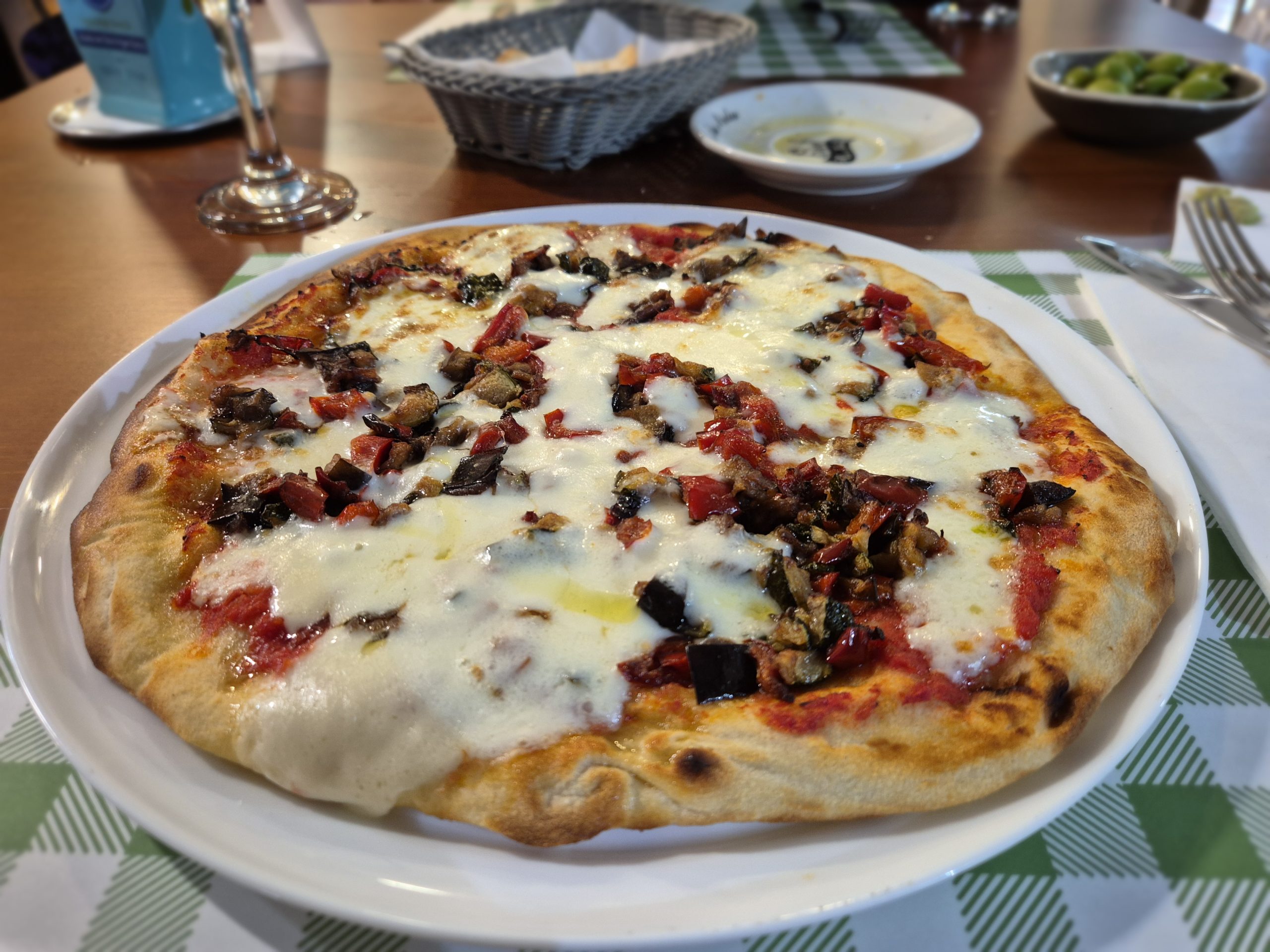
Food stops being discovery and becomes logistics. You default to Indian restaurants or pizza places, not because they’re good, but because there are at least some predictable vegetarian options, and because you’ve finally run out of patience. Even then, the bread disappoints. Spain, a country so proud of its cuisine, had reduced eating to fuel.
There’s an irony here that isn’t lost on me.
I’ve always disliked travelers who insist on “home food” wherever they go – who demand their own cuisine, their own flavors, their own comforts, and judge a place when it doesn’t comply. I liked to think of myself as more adaptable than that. Someone willing to try local food honestly, within constraints, without sulking or retreating at the first inconvenience.
Spain punished me precisely for that effort.
I kept trying. I adjusted expectations. I lowered bars. And eventually, predictability won – not out of cultural stubbornness, but fatigue. Adaptation, it turns out, is not infinite. It requires a food culture to meet you halfway, to notice you at all.
Ending – when food no longer anchors place
Spain remains beautiful. The light, the architecture, the history – all compelling.
But food is how many of us anchor ourselves to a place. It’s how days gain texture, how memory settles. When all the meals on a trip blur into one another, food repeatedly disappoints, that anchor vanishes.
This is not a condemnation of Spanish cuisine. It excels where it chooses to excel. But it does not adapt, and it does not notice those it isn’t feeding.
And when a food culture doesn’t want you – even unintentionally – you feel it. Quietly. Repeatedly. Until you stop trying.
Post-script
As it happened, I had to go to Madrid on a work trip, three months after this Andalusian adventure. On that trip, our Spanish colleagues took us to an excellent restaurant for dinner, and showed us what real Spanish cuisine is, when you bypass the tourist traps. I had a superb Spanish omelette, and all the meat-eaters, even the Italian food-snobs, enjoyed the exquisitely cooked meats.
Spanish cuisine – redeemed and restored to its celebrated glory – as long as you can find the right places to eat at.